LatinX Legacy
*
LatinX Legacy *
The Latinx Legacy Archive…
…is a project dedicated to memorializing the immense contributions several leaders in the Latinx Community have made to improve the well-being of others, whether it be through establishing clinics, activism, etc. These leaders standout not only in their lifetime of work, but in their ability to recollect key moments in history and give individual contexts to large events. We hope that by archiving their work here, we can share their important contributions and inspire others for generations to come.
Scroll down to see key leaders like Yolanda Chacon-Serna, José Joél Garcia, and Joanna Uribe.
Homage to Joanna Uribe
A Life Caring for Others’ Health
Clips
POEMBROWN BERETSADVICEWORKING WITH HUSBANDDIRECTIONSLIFE WITH PARKINSONS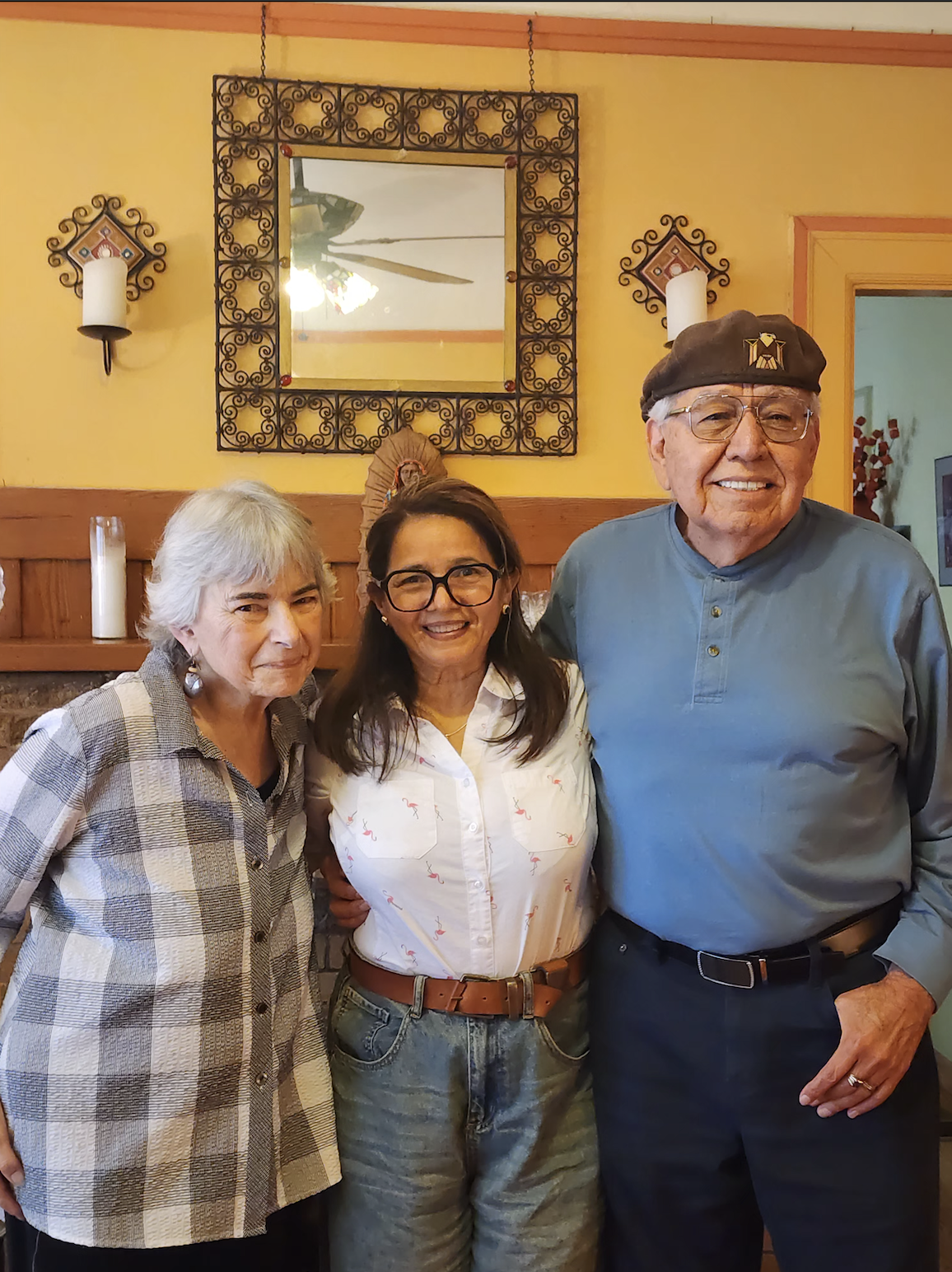
BACKGROUND STORY
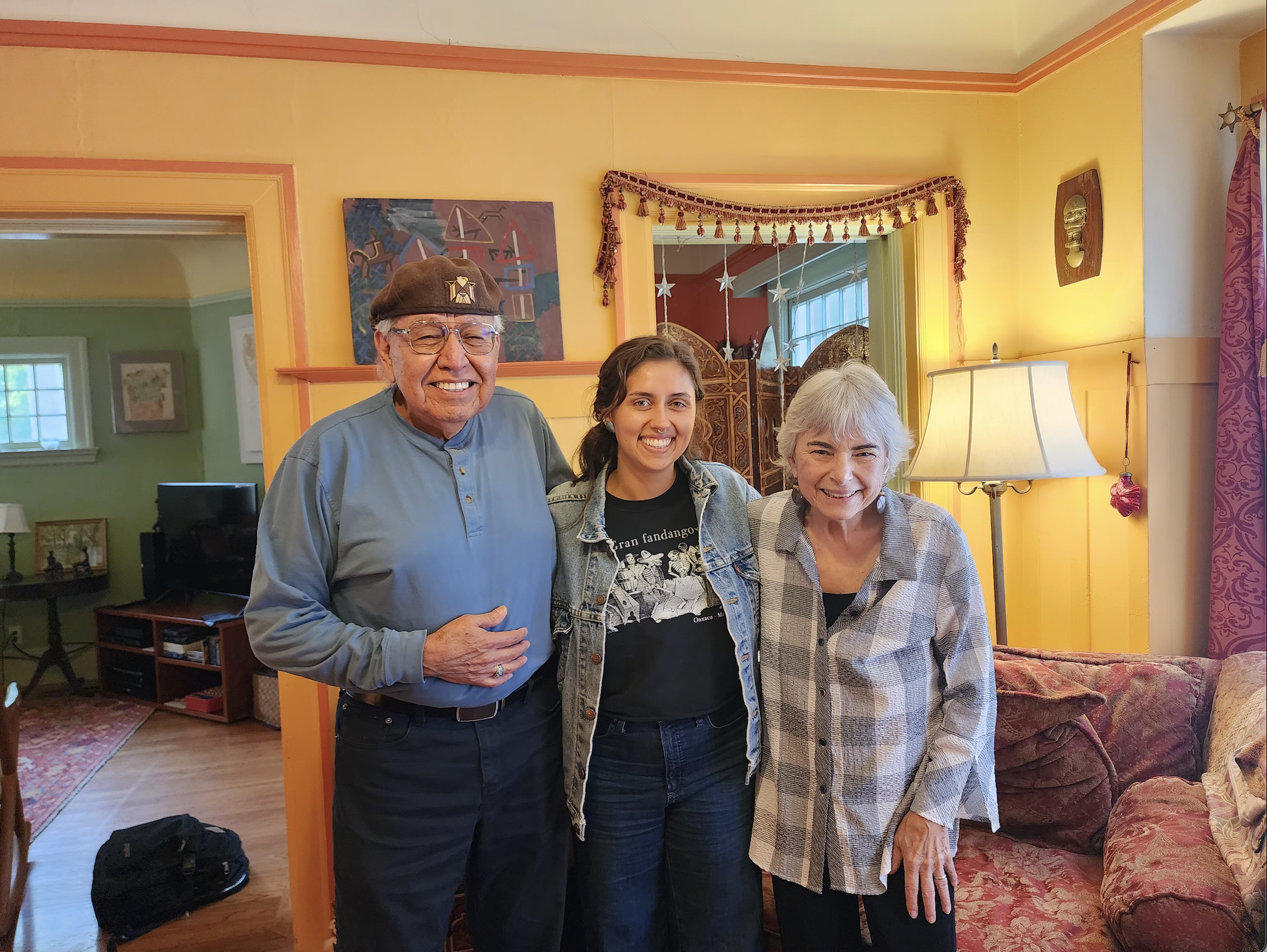
Joanna Uribe is a lifelong organizer, activist, and mentor whose community work has spanned more than five decades. Born in 1946 in New York City to a Colombian artist father and an American writer mother, Uribe spent part of her early childhood in France before returning to New York, where she attended the Lycée Français and later Antioch College, known for its socially conscious environment.
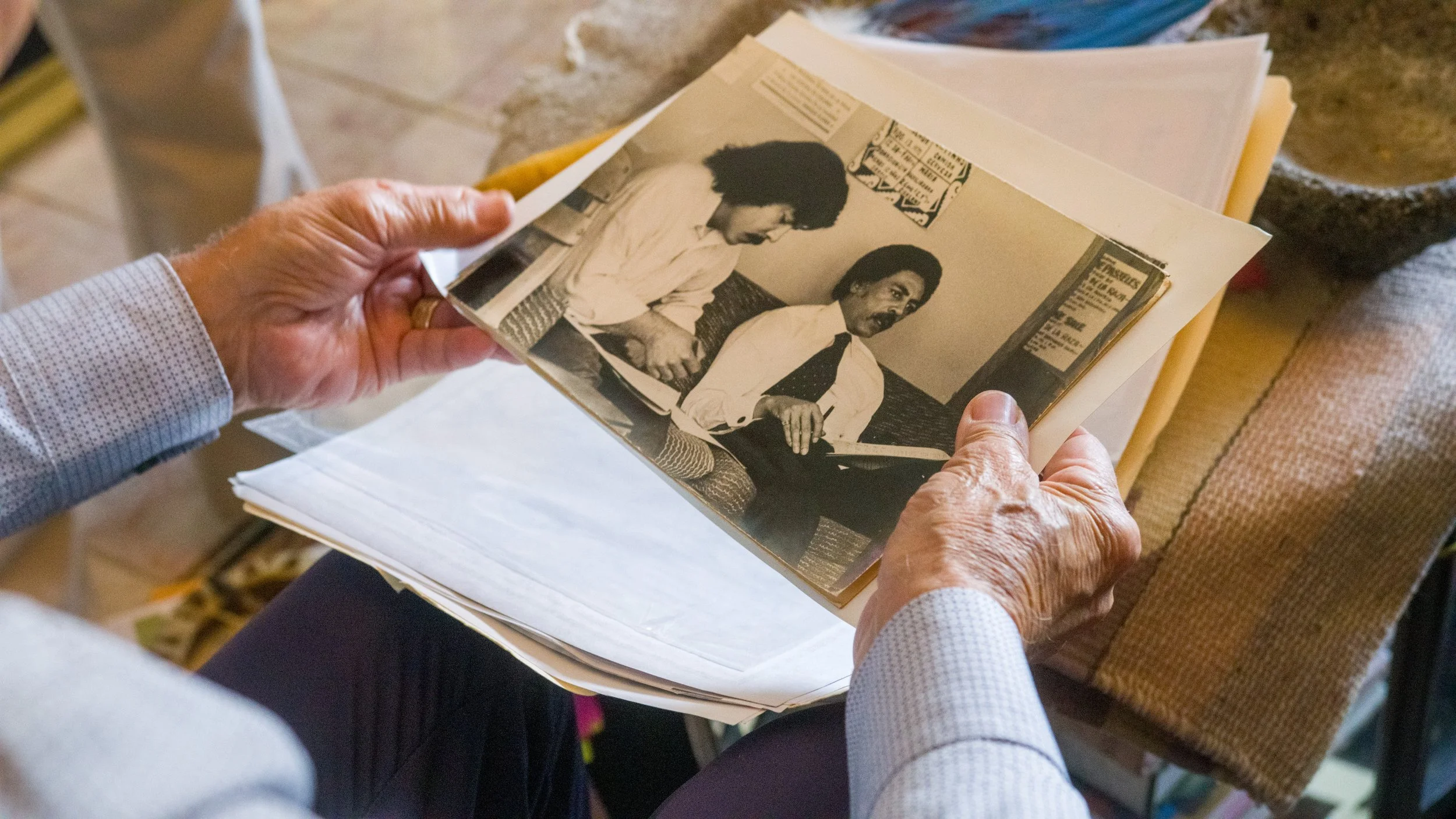
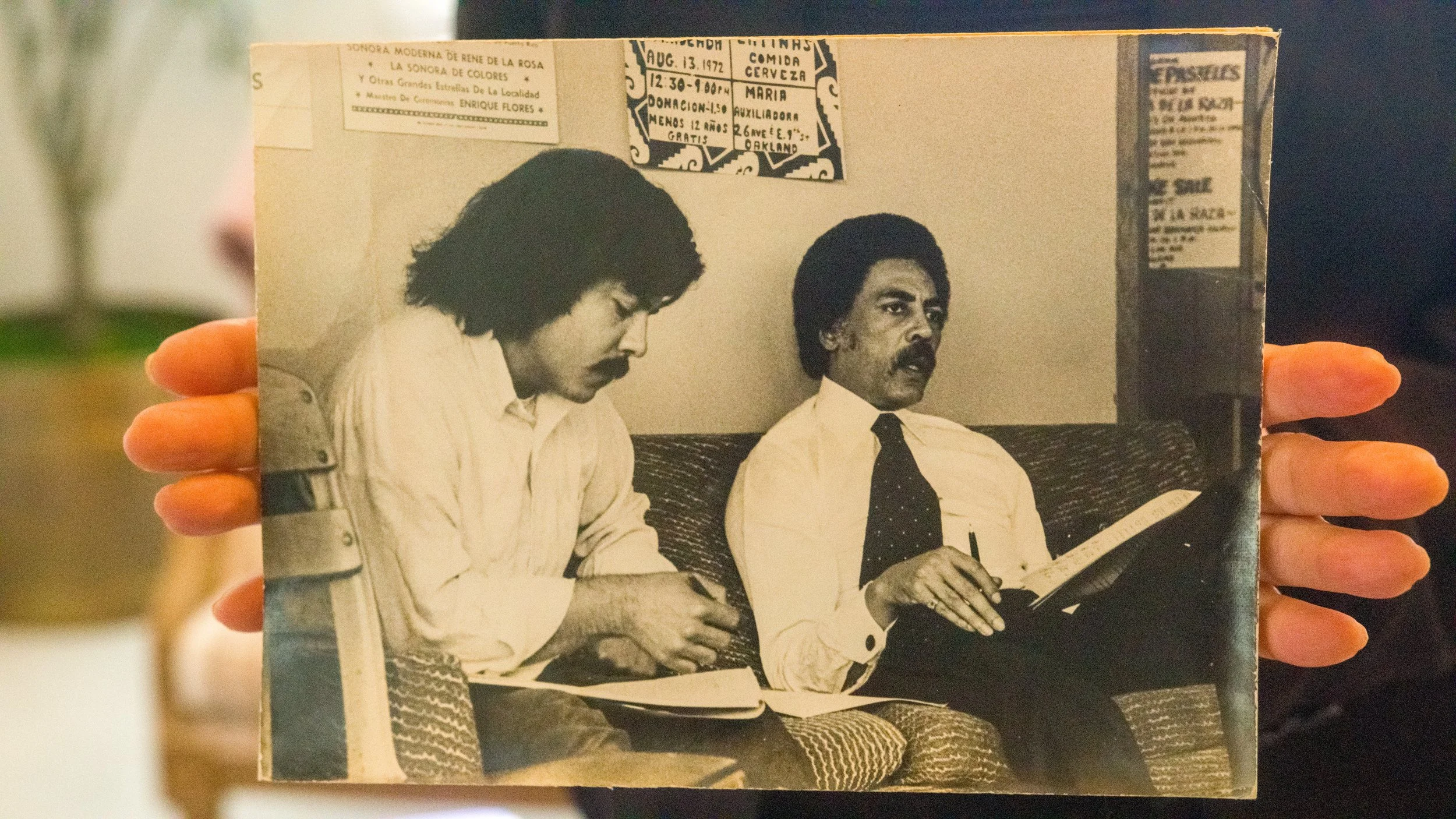
Uribe’s arrival in San Francisco in 1969 placed her at the heart of a vibrant moment of Chicanx and Latinx activism. She joined efforts with the Bay Area Radical Teachers Organizing Collective (BARTOC) and worked closely with youth with emotional and behavioral challenges. Early on, she became deeply involved in the movement to support Los Siete de la Raza, a group of seven young Latino men whose controversial arrest galvanized community organizing in the Mission District.
Uribe went on to co-found El Instituto Familiar de la Raza in 1978 alongside leaders like Dr. Concha Saucedo and six others. Her leadership and vision were instrumental in securing funding and shaping the Institute’s mission: providing culturally rooted, bilingual mental health care that honored the spiritual, communal, and familial dimensions of well-being. She served as Board President for ten years — entirely as a volunteer — while also developing grant proposals, training young organizers, and helping shape culturally competent models of care that integrated ceremony, community celebrations, and grassroots healing.
Uribe describes herself humbly as “just a regular person” who hopes her work motivates younger generations and those feeling burned out to find their own place to give back. She continues to mentor community leaders and remains deeply committed to ensuring that cultural knowledge and collective care remain central to health justice work.
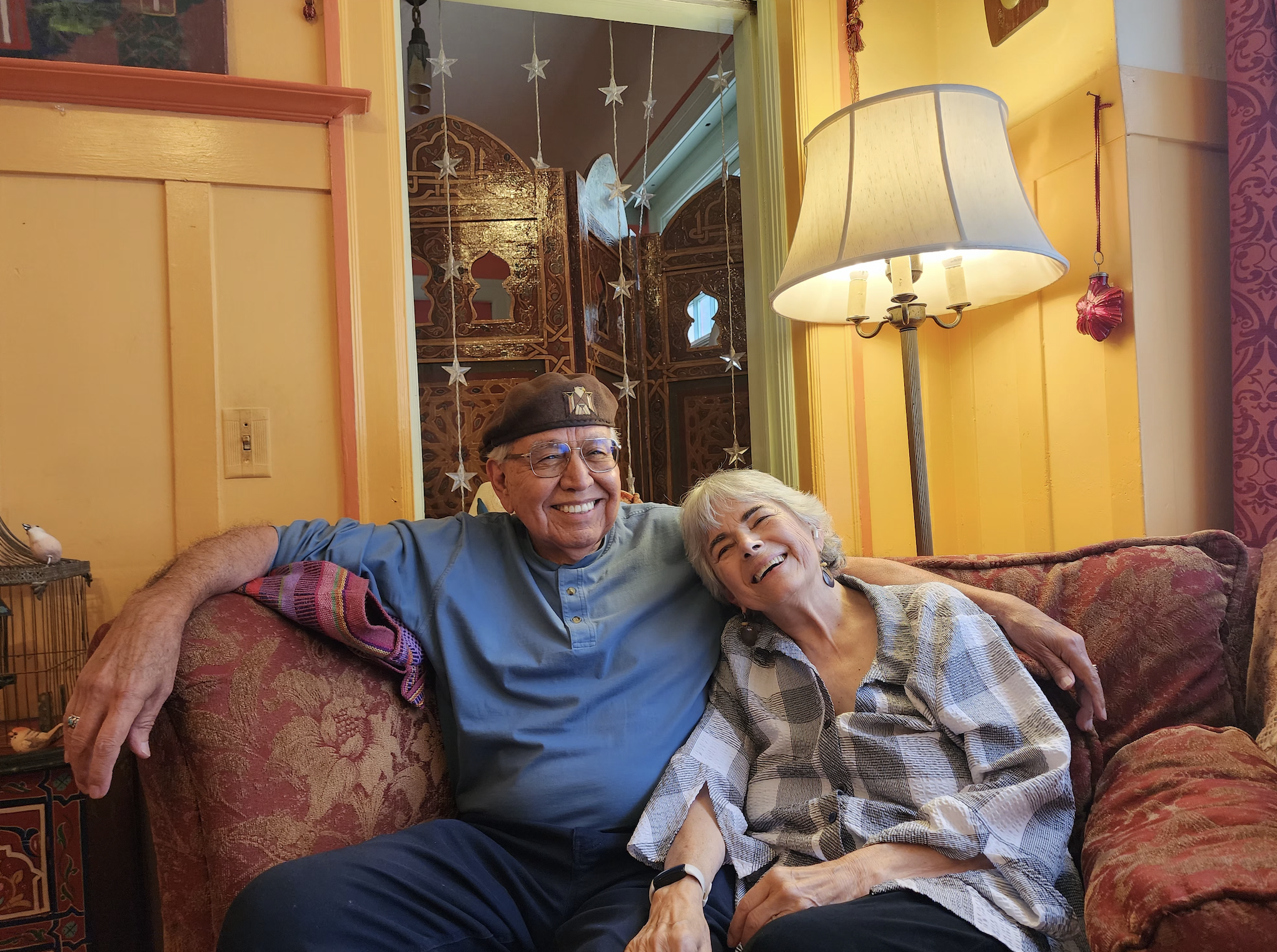
Manuel Mena (Her Husband)
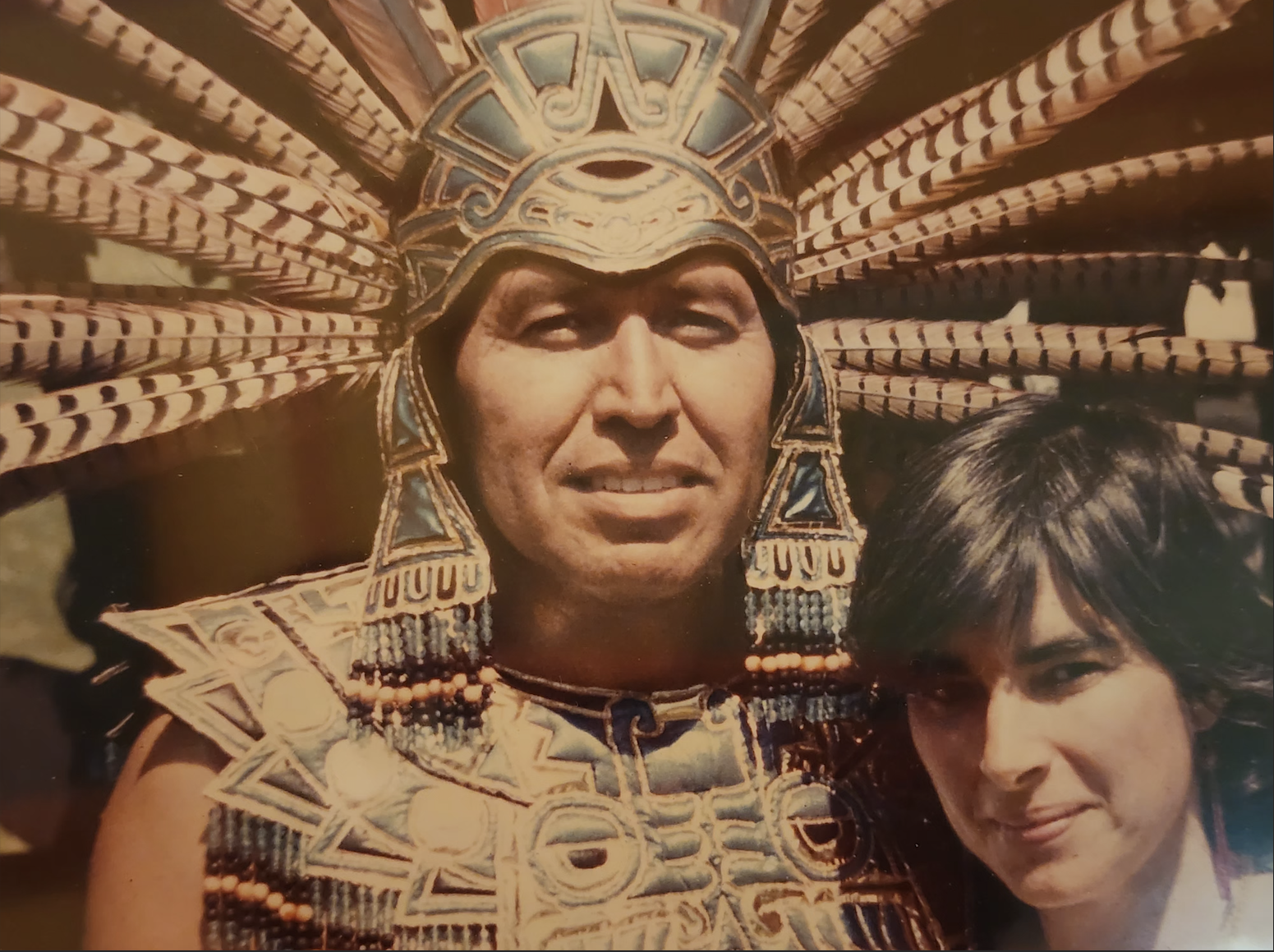
Manuel Mena is an activist, social worker, musician, and cultural practitioner whose work has long bridged mental health, Chicanx community organizing, and traditional ceremony. Born in Texas’s Rio Grande Valley, Mena studied Sociology and earned a Master’s in Social Work at the University of Texas, Austin, where he organized for over fifteen years among the Chicanx communities, defending neighborhoods from displacement and advocating for social services. In the mid-1980s, Mena moved to San Francisco, drawn by the city’s vibrant organizing networks. Though initially arriving with no job lined up, he offered his time and commitment to El Instituto Familiar de la Raza, where he joined the Board of Directors and helped strengthen its culturally grounded mental health work. Mena later became Director of Mission Mental Health, where he continued to champion the blending of western psychology with Indigenous healing practices.
Mena’s approach centers on the belief that “la cultura cura” — culture heals. He has guided countless individuals and families through ceremony, storytelling, and the Four Directions framework, encouraging people to heal by reconnecting to cultural knowledge and collective strength. His work has included supporting Latino men’s circles and mentoring interns from social work programs in practices that integrate spirituality with clinical care. Mena is also a musician whose love for accordion and Latin musical traditions reflects his commitment to sustaining cultural lifeways alongside community health. He and Joanna Uribe met through El Instituto Familiar de la Raza in 1986 and continue to nurture community ties through organizing and ceremony.
Homage to José Joél Garcia
A Life of Building Resistance to Inhumanity
Clips
Ceremony
Life at Clinic
Educational Journey
You Must Be CRAZY!
San Jose Inspires
Hurdles in Clinic
Jose Joel Garcia’s Family
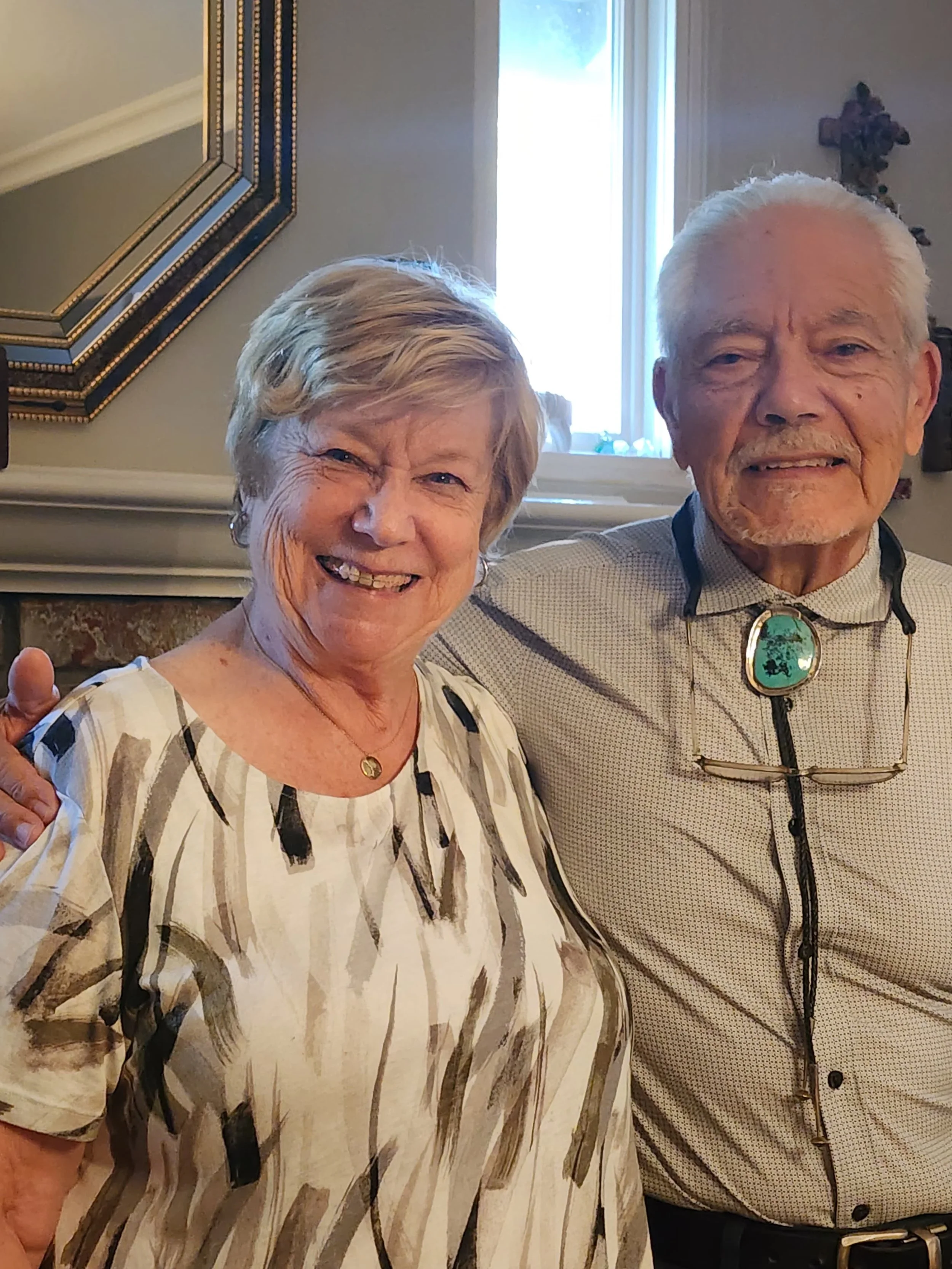
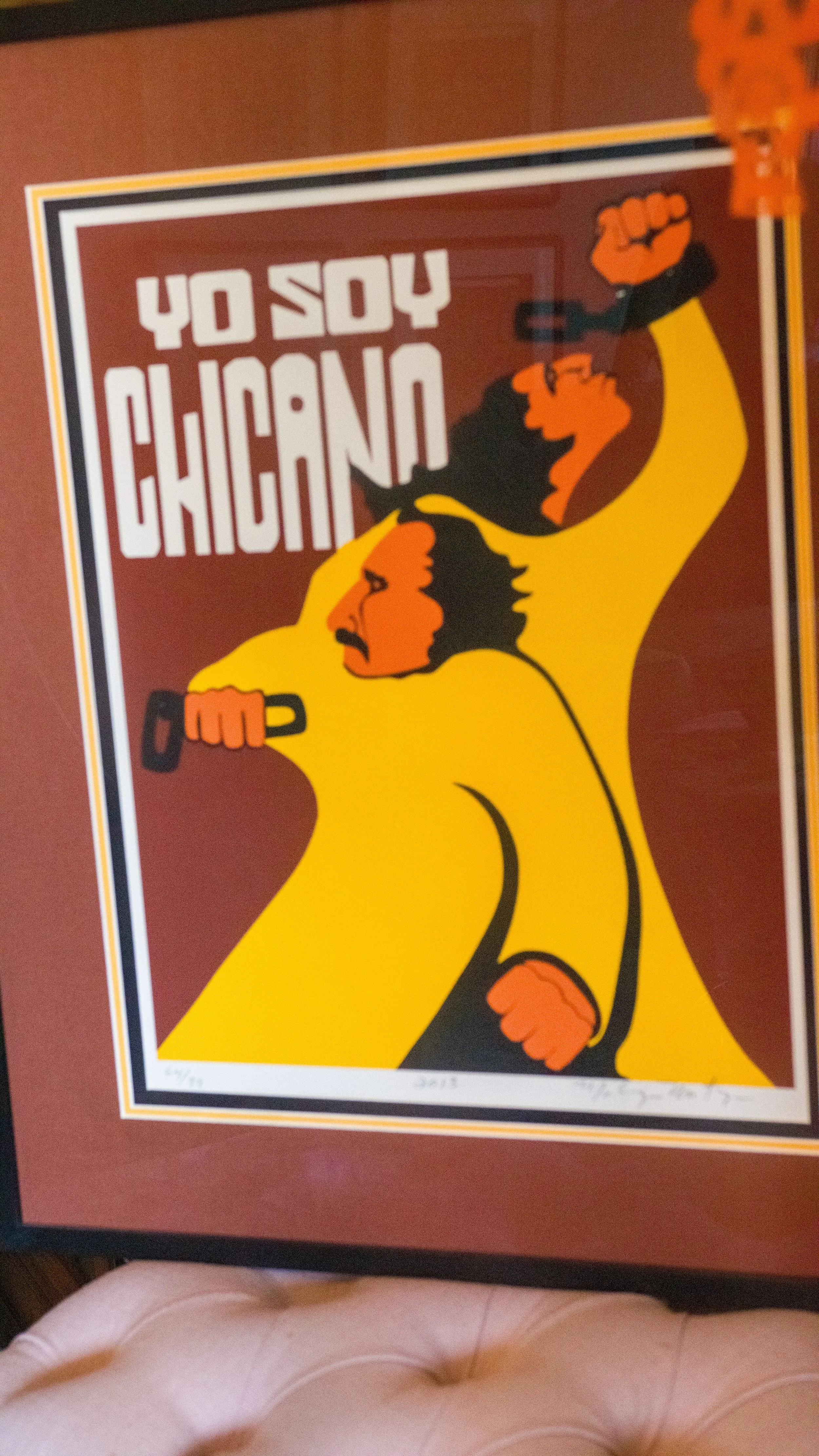
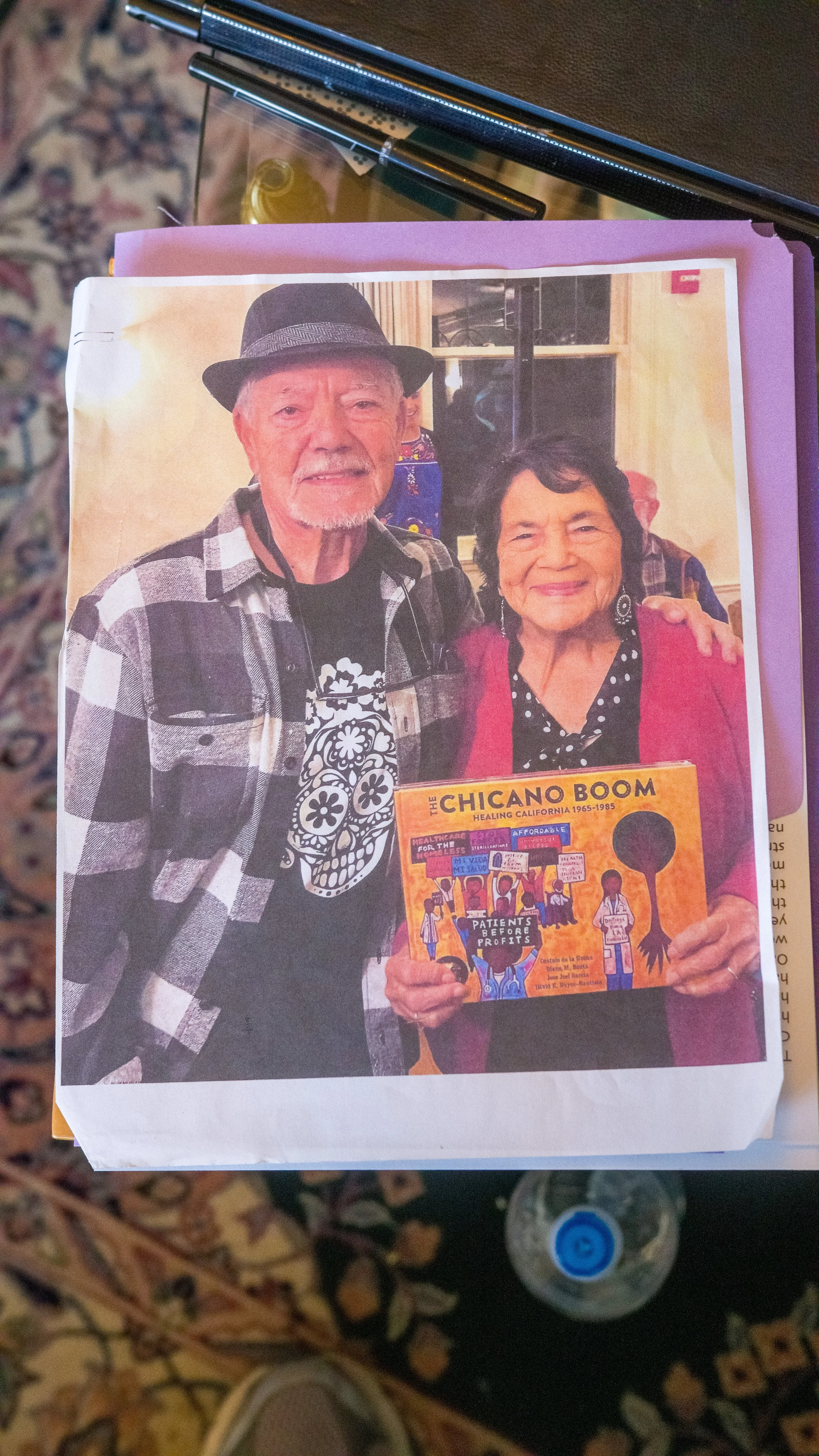
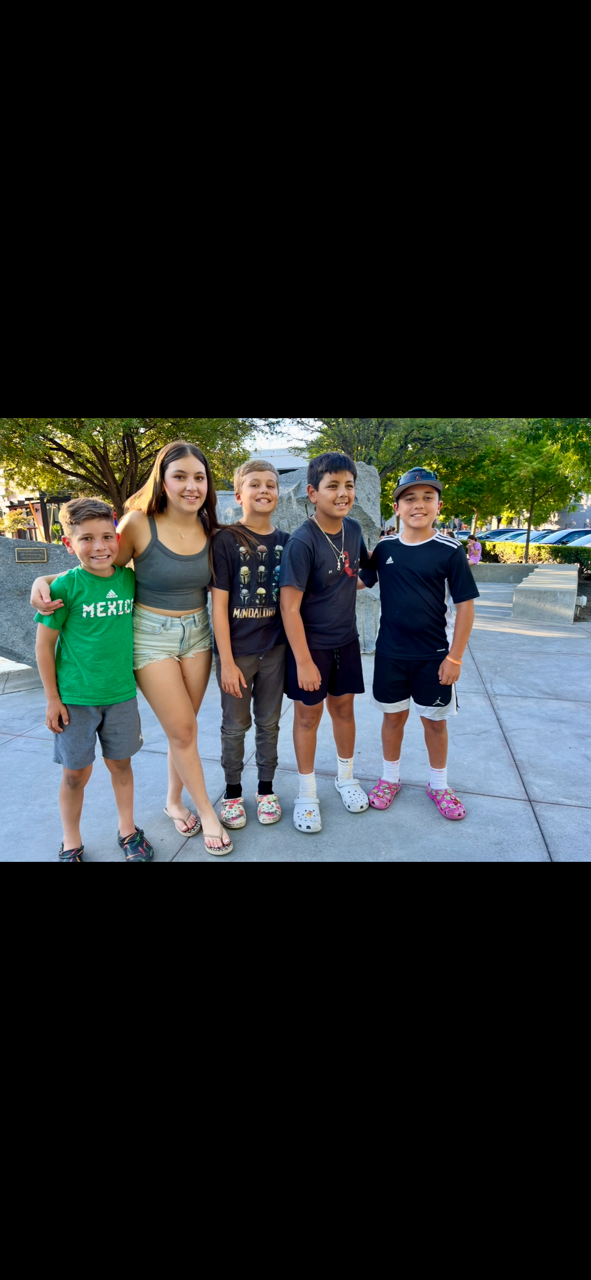
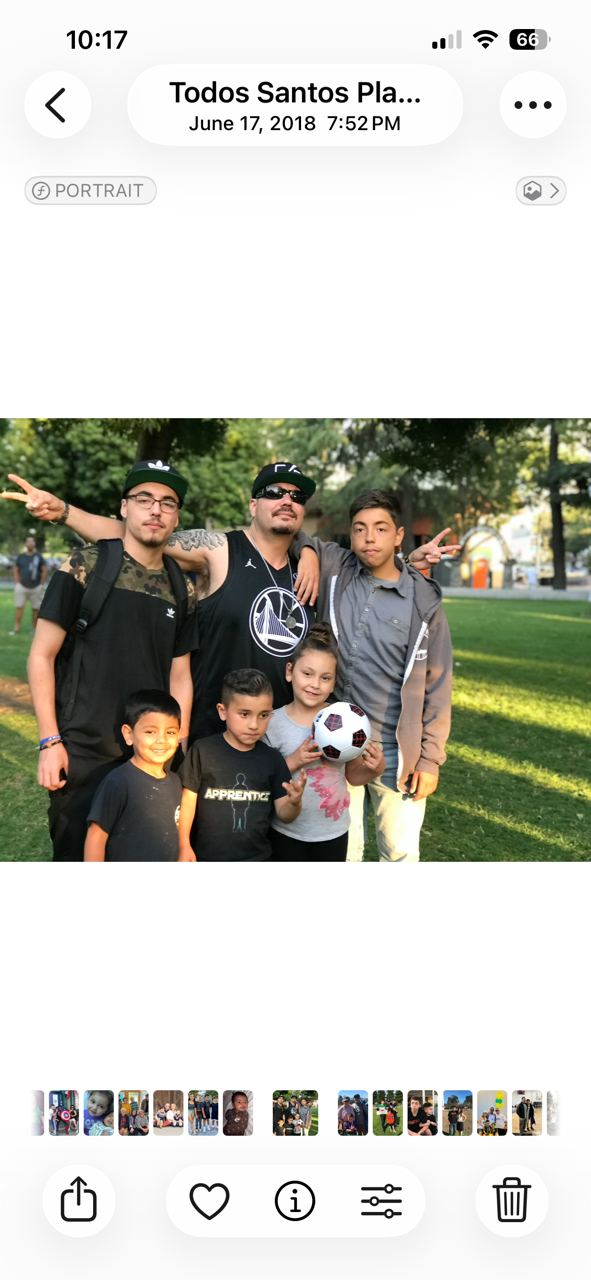
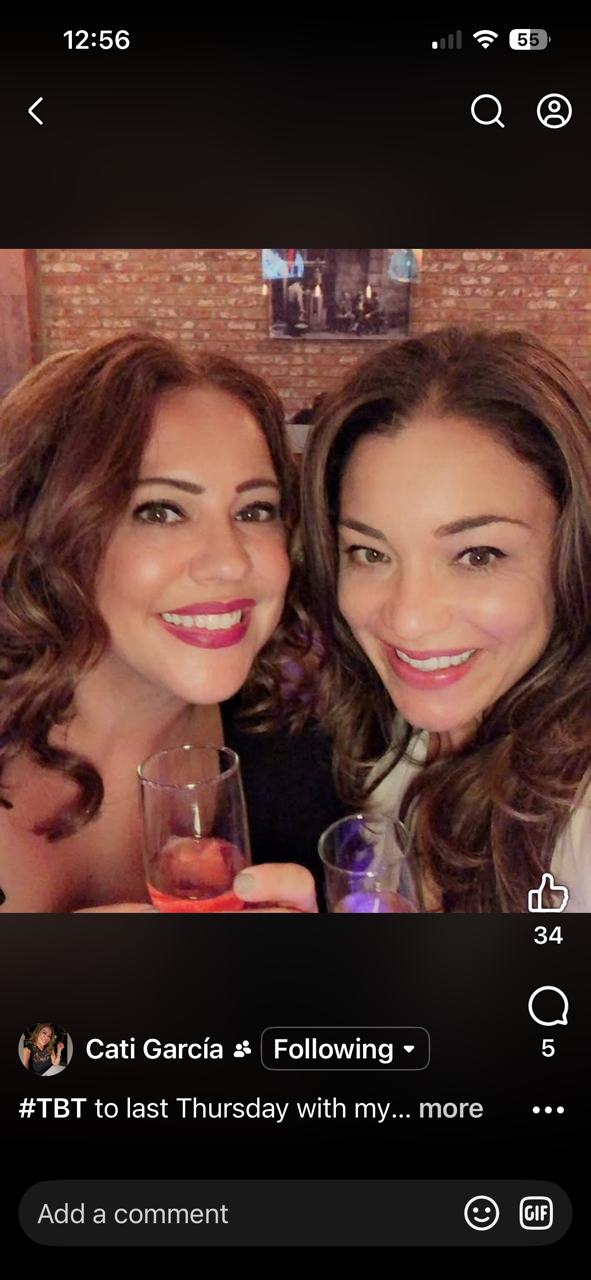
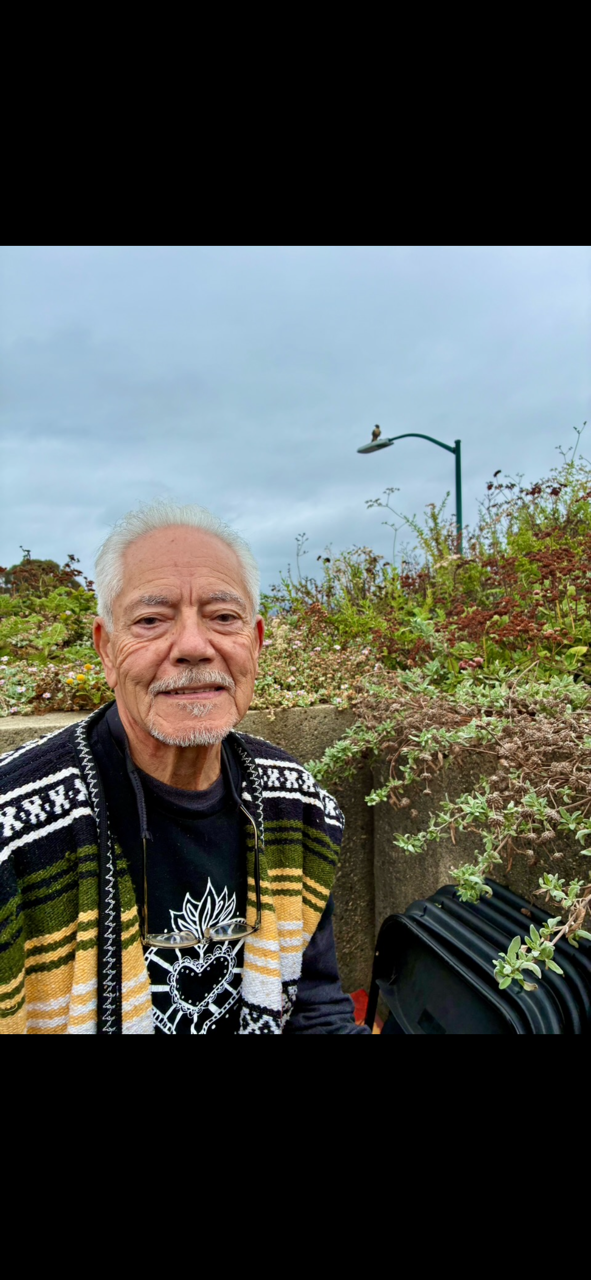
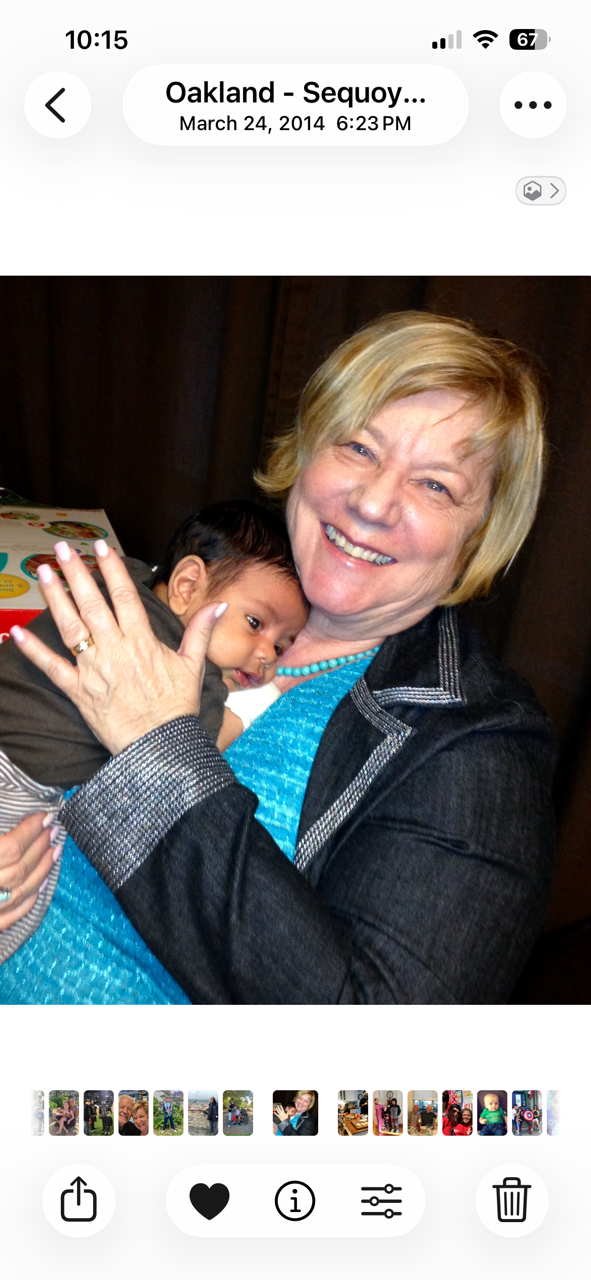
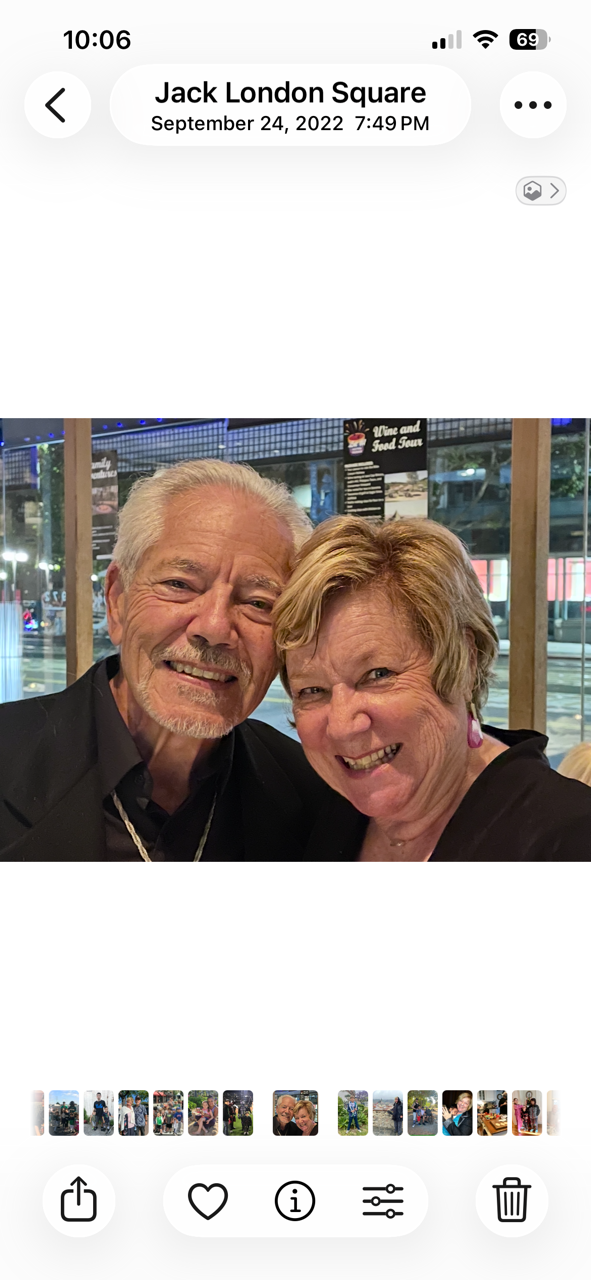
"Those are the pictures of those who have made it possible to offer my work and Legacy to all of the community. It would not, of course, be possible without their sacrifices. I meant to elevate and acknowledge that. I would very much appreciate it. This is especially for the sacrifices and support of my wife, Judith Ann Naas Garcia. We would like to have our four children, Mario, Andres, Catarina, and Susana included visually. Our seven grandchildren".
BACKGROUND STORY
José Joel García
José Joel García was born in Durango and takes pride in his Mexican heritage. After relocating from Durango to Tijuana with his parents, he immediately faced the challenges of limited access to medical care as a child. For example, after sustaining a burn on his arm, the absence of available physicians necessitated seeking treatment at a pharmacy. The resulting scar serves as a lasting reminder of the restricted healthcare options. He recognized that accidents and illnesses require timely, high-quality medical attention, which was frequently inaccessible. Following a year in Tijuana, his family immigrated to the United States. Throughout this transition, his mother consistently encouraged him to maintain a strong connection to his Mexican roots, a value he continues to uphold. Nevertheless, even in the United States, he encountered comparable obstacles to obtaining quality, culturally competent, and affordable healthcare, particularly for individuals with limited financial resources.
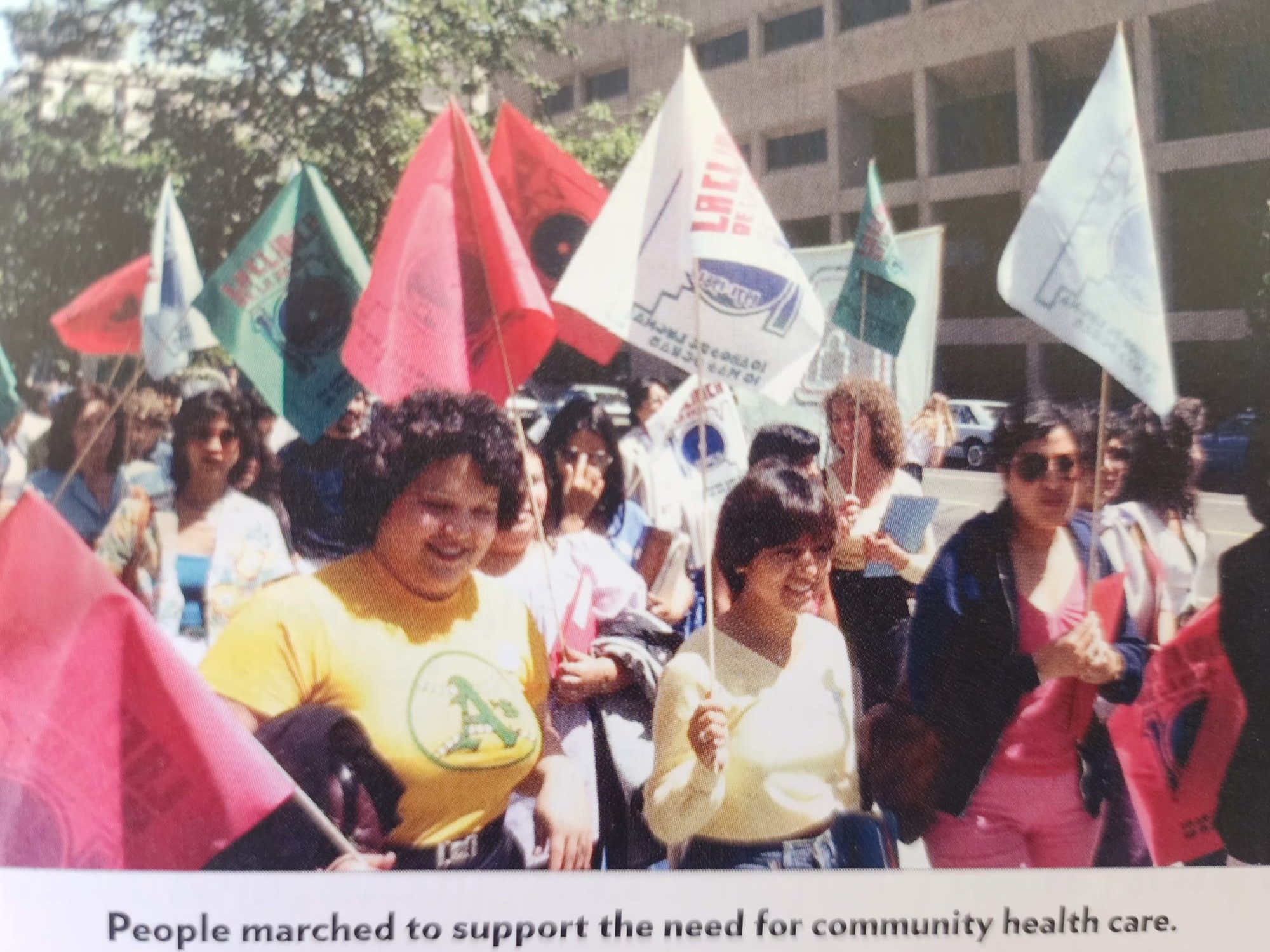
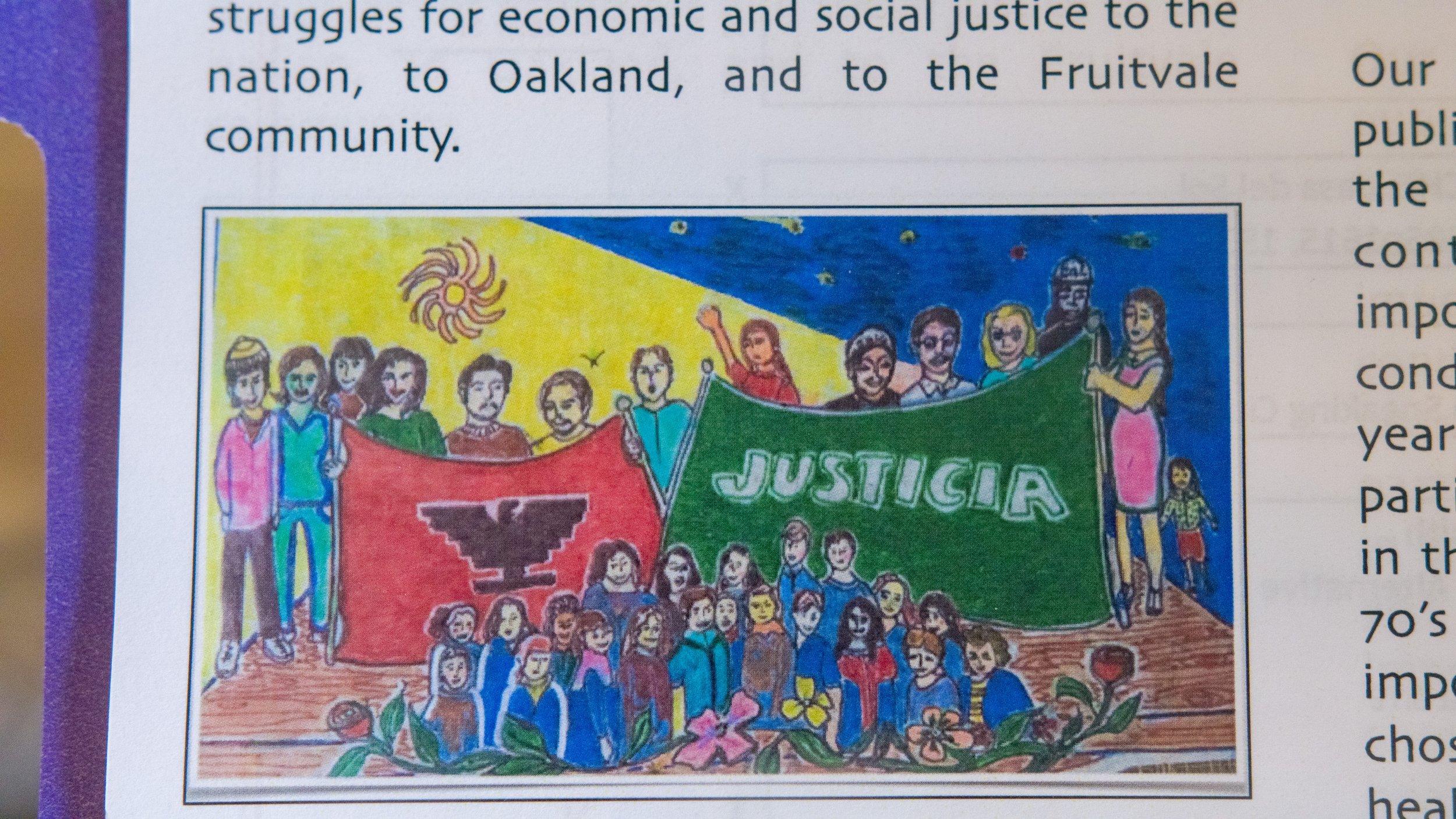
His mother received inadequate care during childbirth, resulting in the loss of two siblings. These formative experiences underscored the consequences of healthcare inequality and motivated his commitment to enhancing the quality of life within his community. José Joel García played a pivotal role in the Chicano movement at the University of California, Santa Barbara, during 1968 and 1969. As a student, he contributed to the establishment of United Mexican American Students (UMAS) and Movimiento Estudiantil Chicano de Aztlán (MEChA). Alongside fellow students, he co-founded El Centro Legal de la Raza, addressing legal issues such as homelessness, landlord-tenant disputes, and draft counseling. These early initiatives revealed the substantial challenges confronting the community at that time. Through this work, he developed a growing interest in healthcare disparities affecting Latinx populations. In collaboration with students and colleagues, he founded La Clínica de la Raza, which has delivered culturally relevant healthcare to Latinx communities since 1971. His efforts have enabled thousands to access medical services in their preferred language, regardless of immigration status or financial capacity. The clinic also initiated preventive health campaigns to foster improved communication between healthcare providers and Latinx patients. Legal and advocacy work at Centro Legal de la Raza has broadened access to representation and protection for families experiencing abuse. Collectively, these initiatives have diminished barriers to healthcare and legal justice for an entire generation. Additionally, José Joel García co-founded La Clínica de la Raza in Oakland in the late 1960s, contributed to the drafting of the Chicano studies manifesto (*El Plan de Santa Barbara), and subsequently served as executive director of the Tiburcio Vasquez Health Center. José Joel García continues to advance health equity, as demonstrated by his professional achievements and his service on the external board of the Center for the Critical Study of the Health of Latinx Communities (Critical Study HLC).
Homage to Yolanda Chacon-Serna
Luchadora para un Mejor Futuro para los Jóvenes
Clips
40 Years Fighting the SystemsWorking With Those Without CareFamily Health CrisisEarly LifeWorking With Community ChallengesGetting On The Board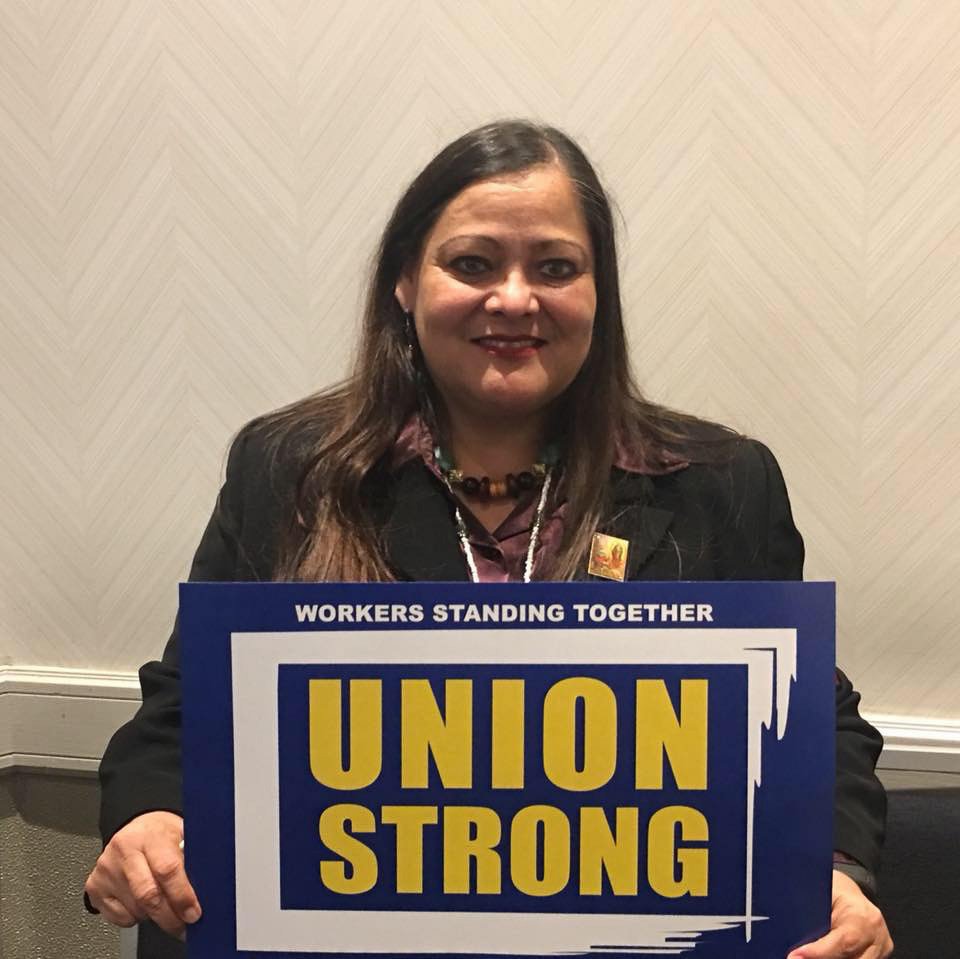
BACKGROUND STORY
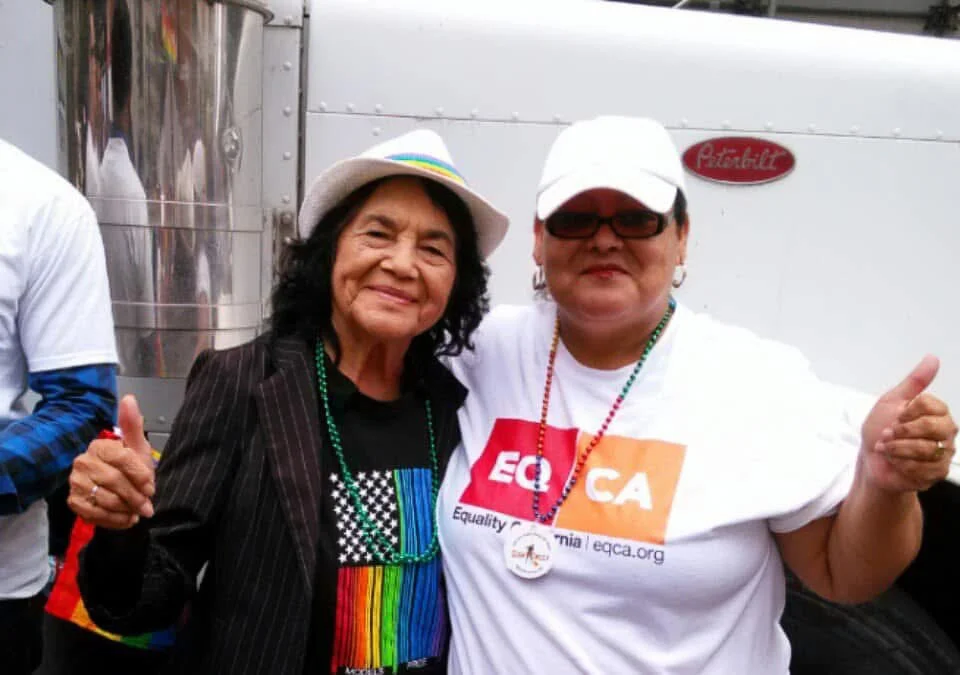
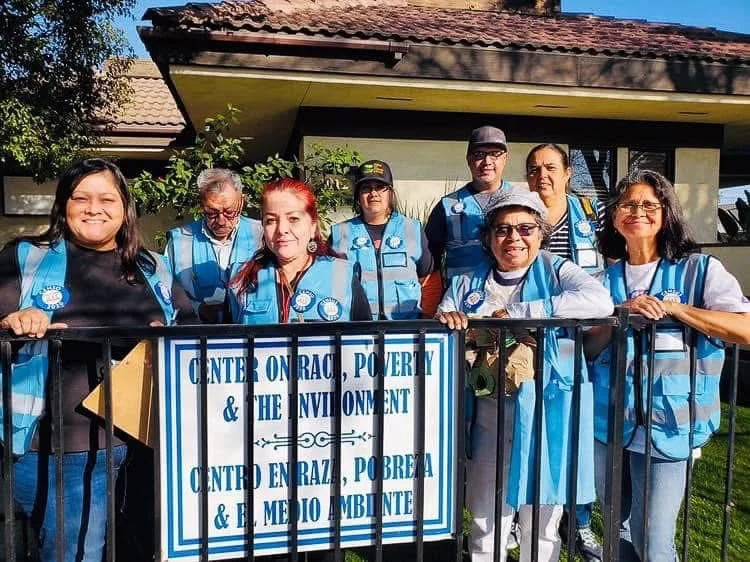
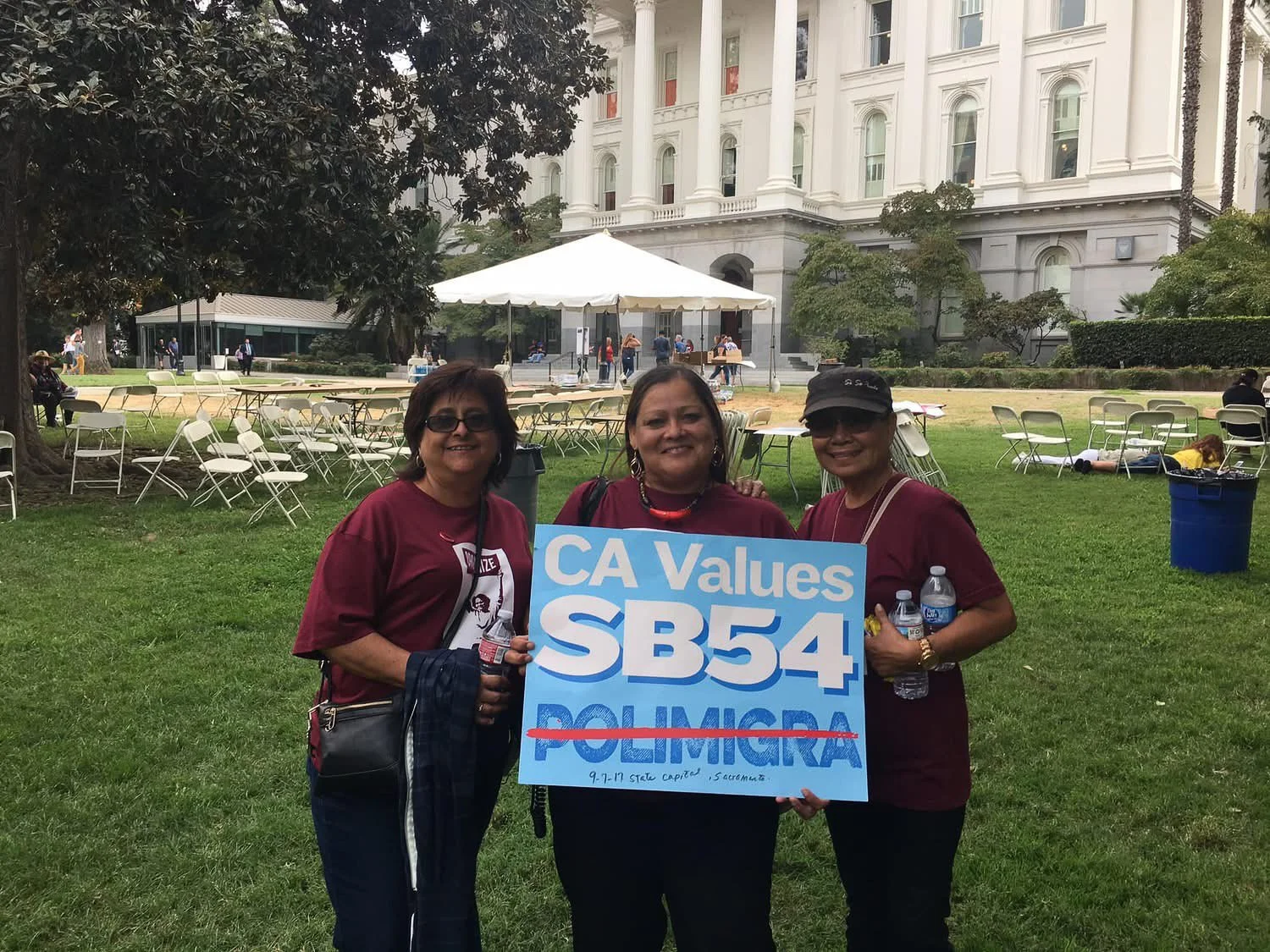
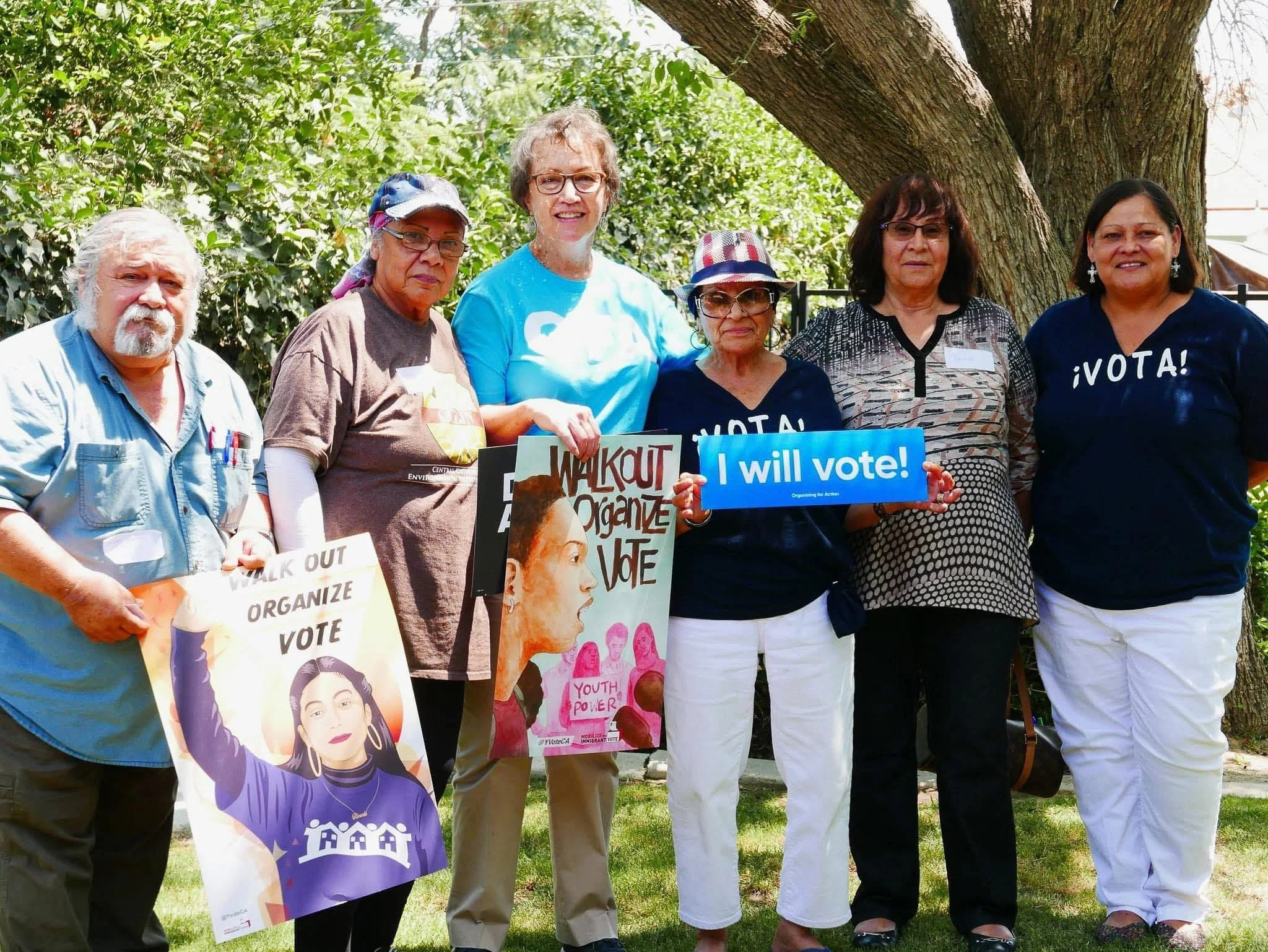
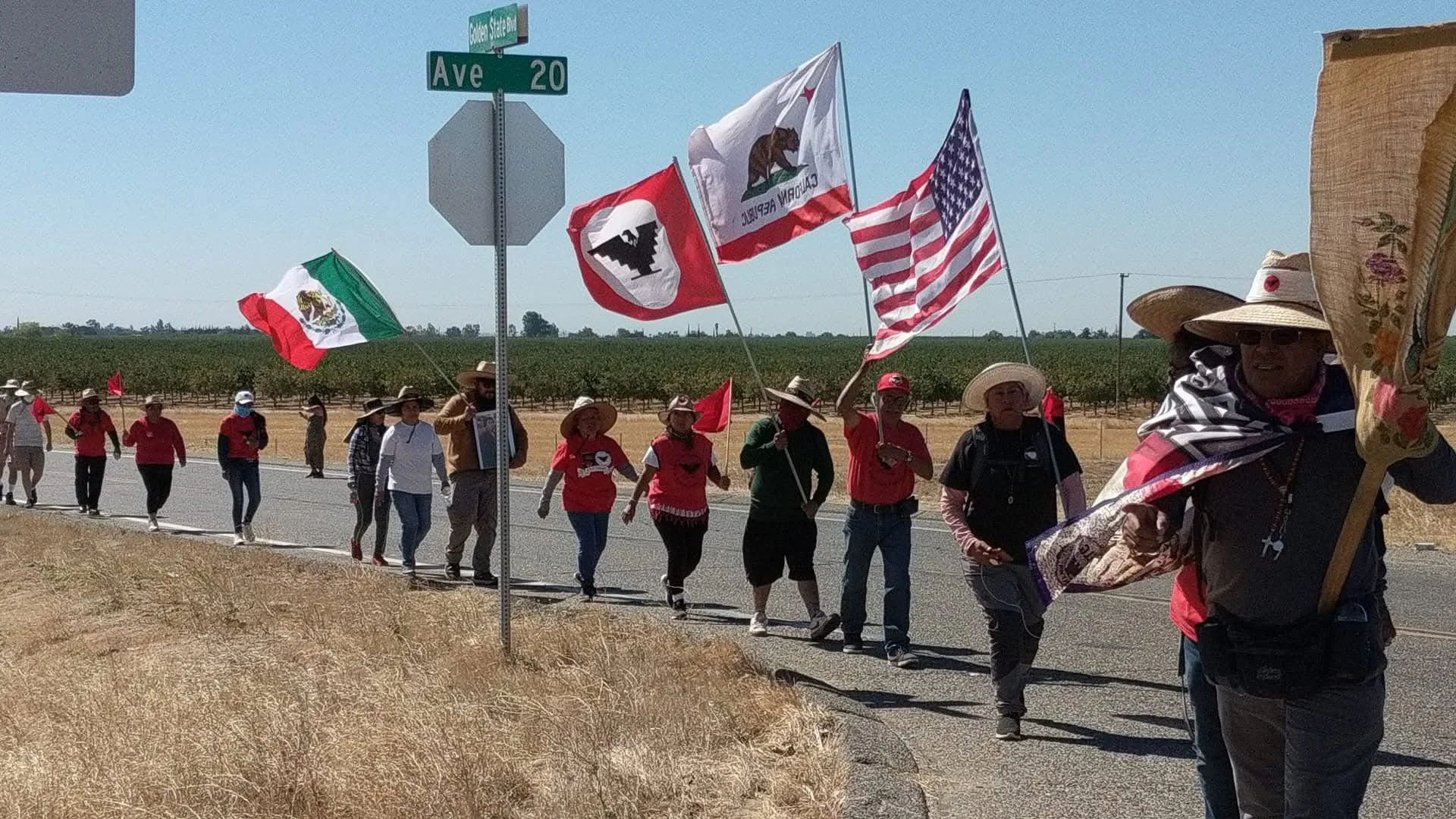
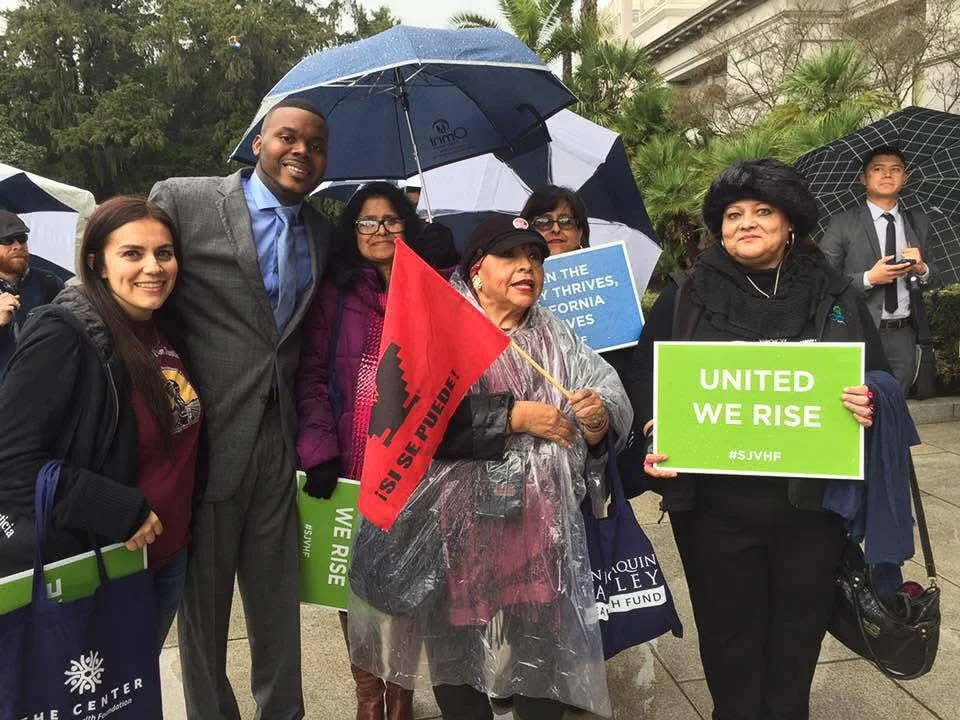
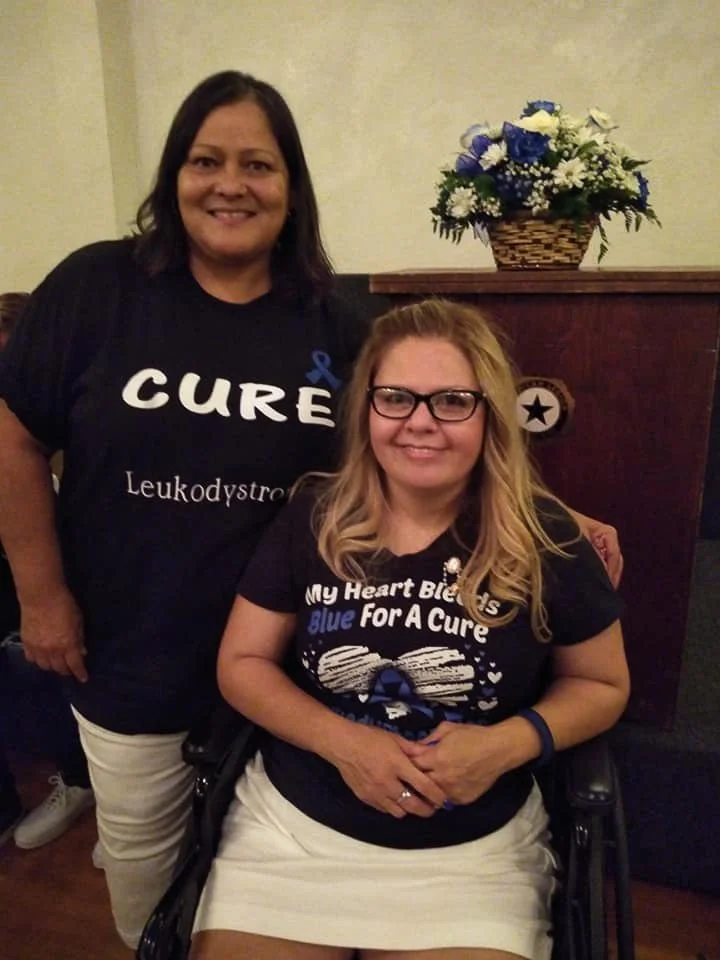
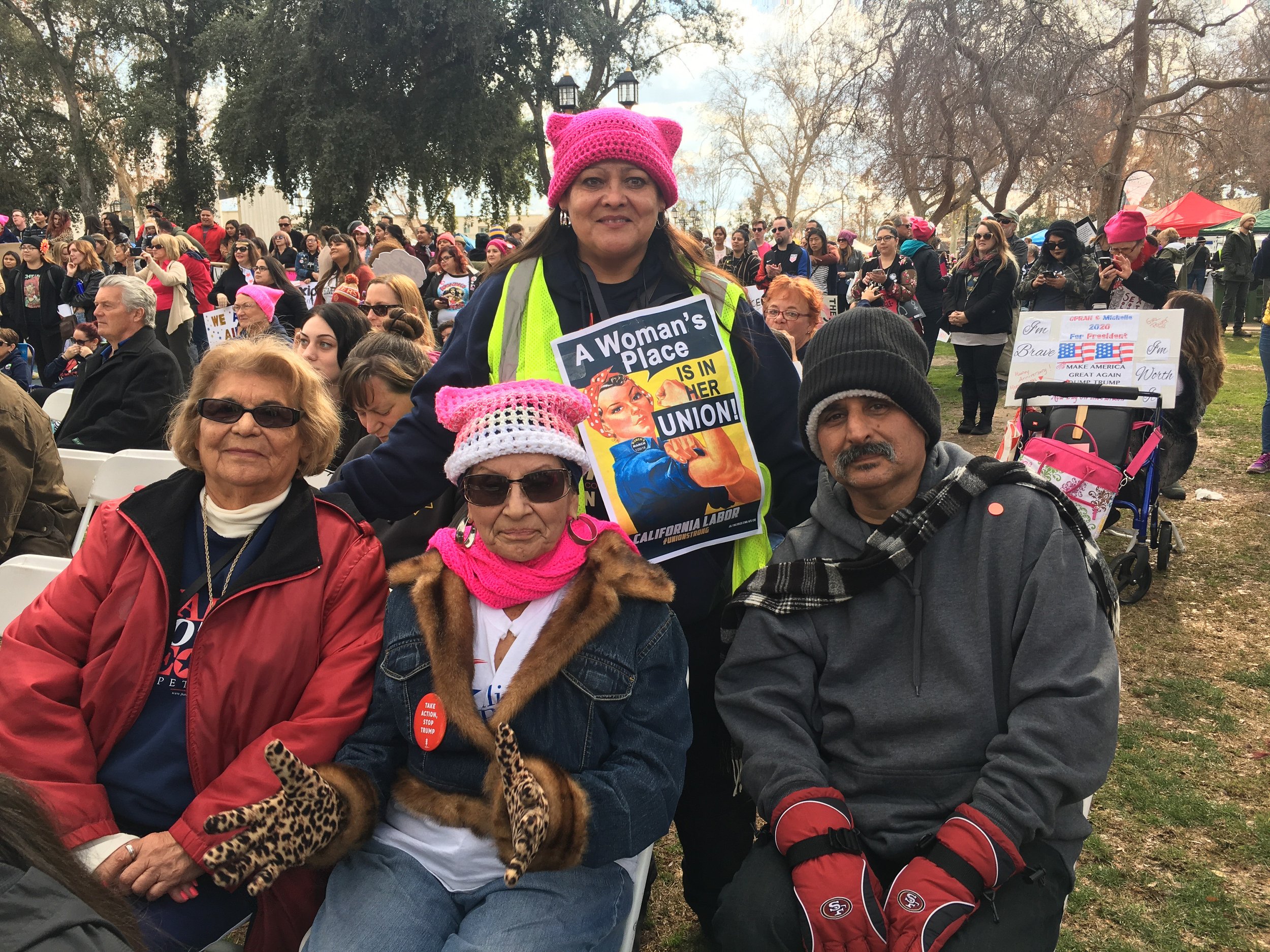
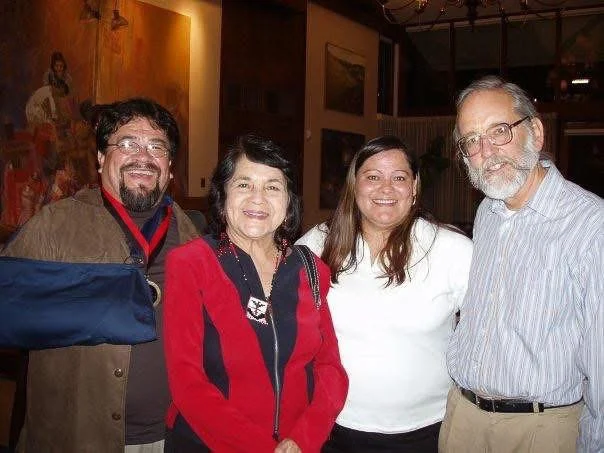
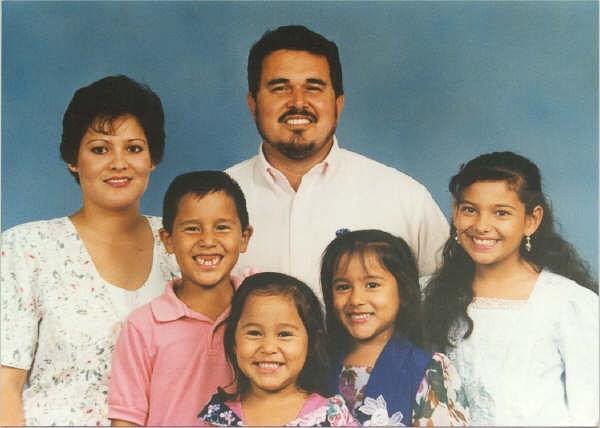
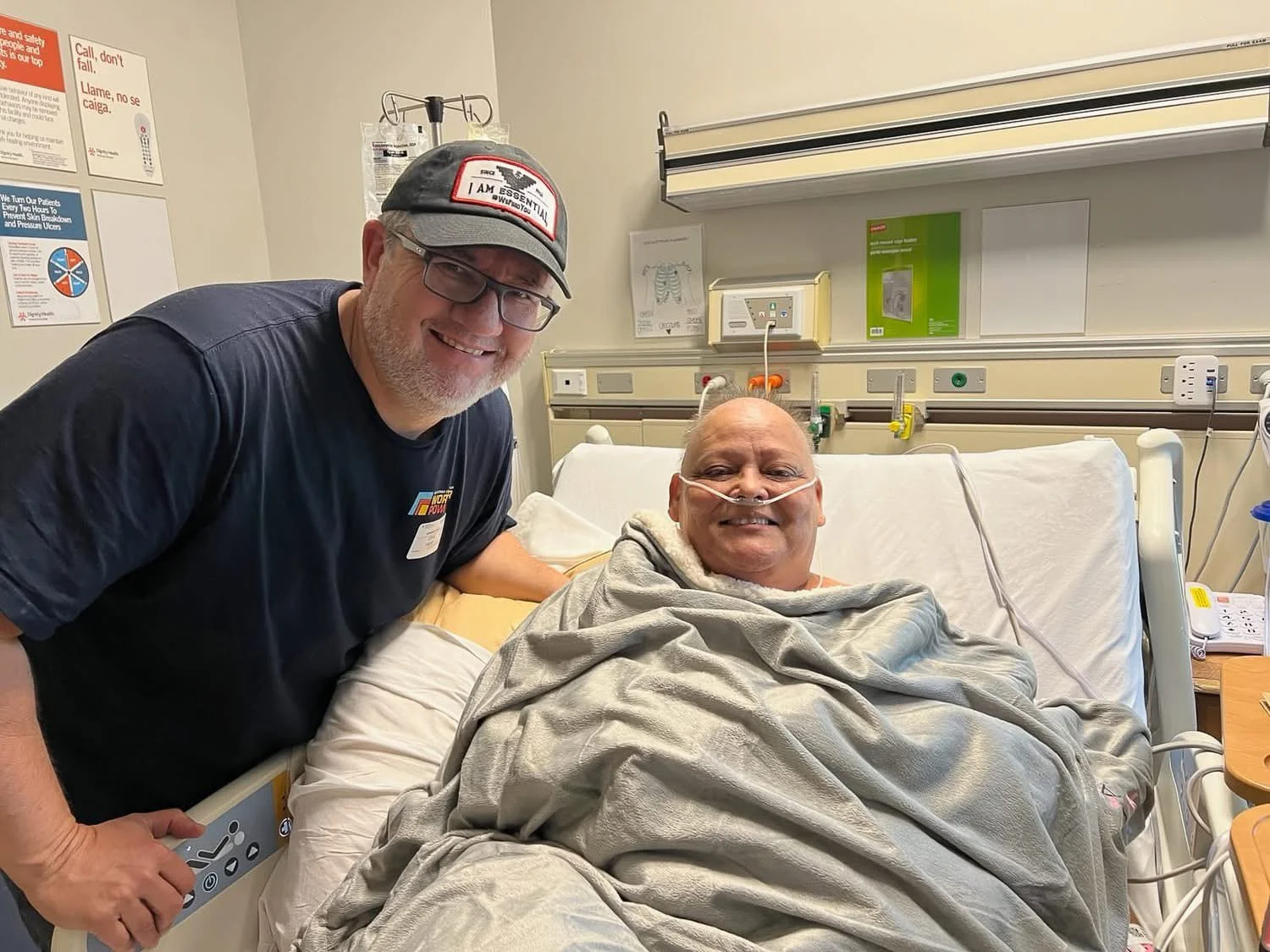
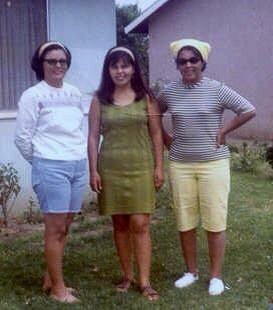
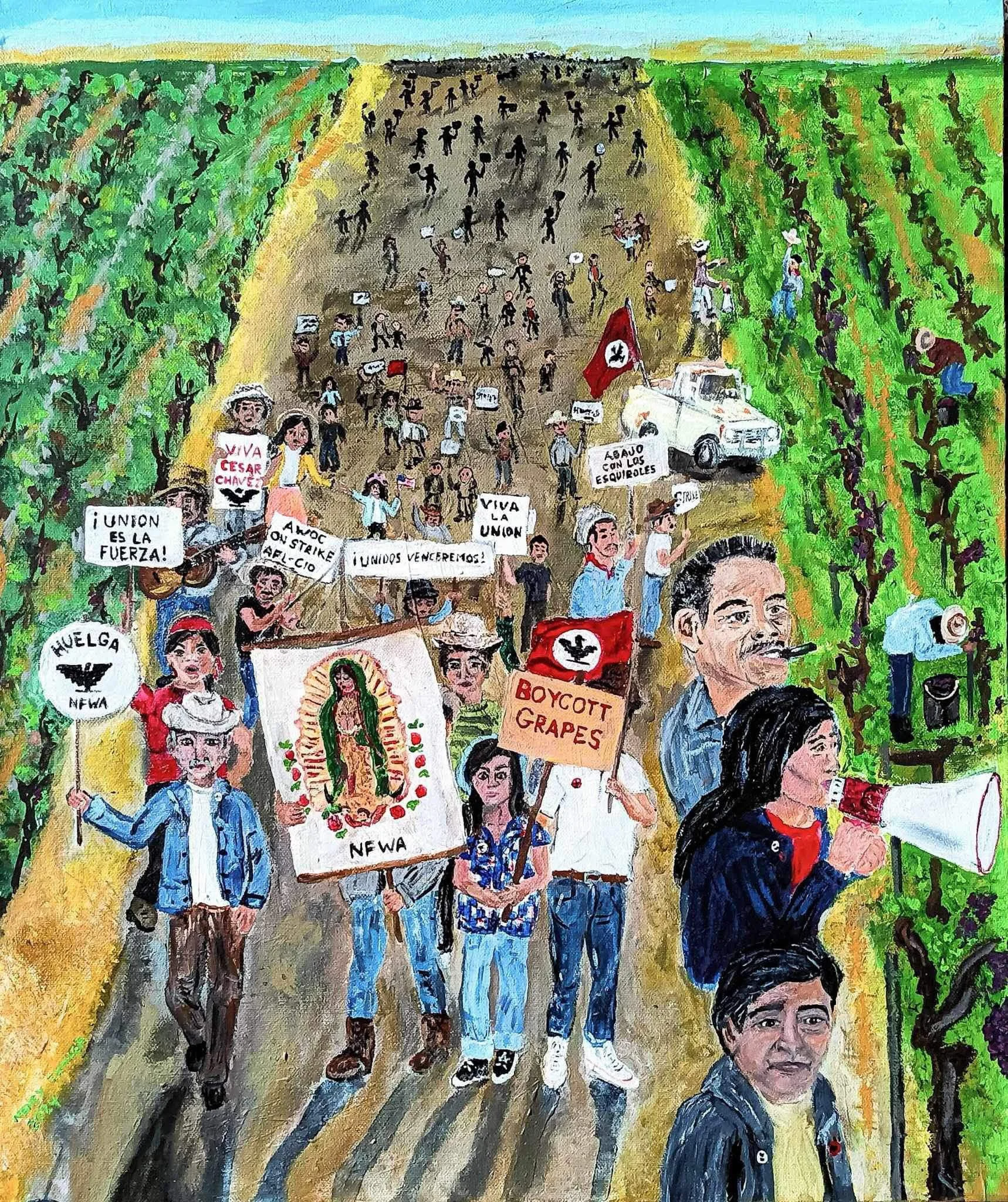
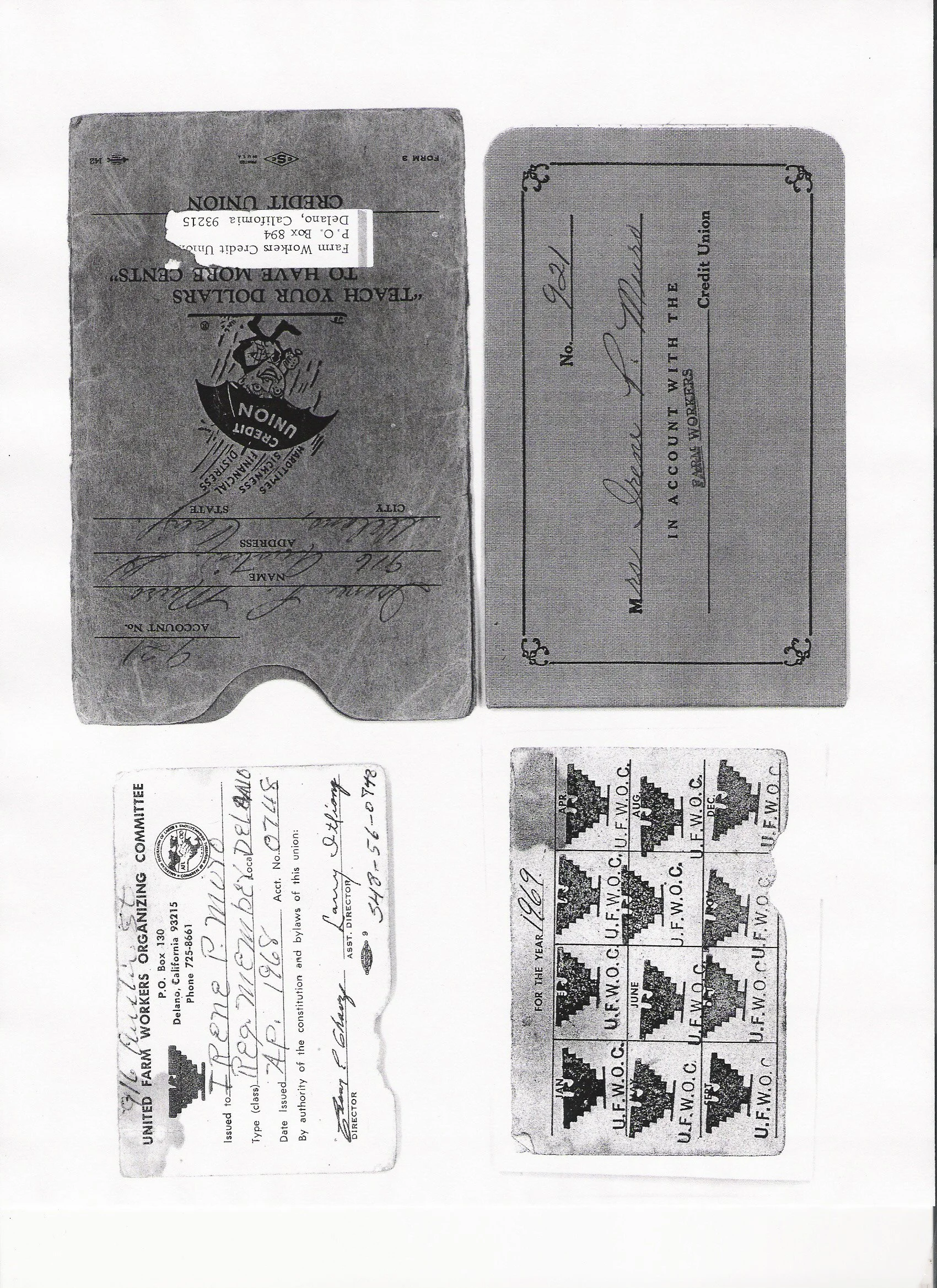
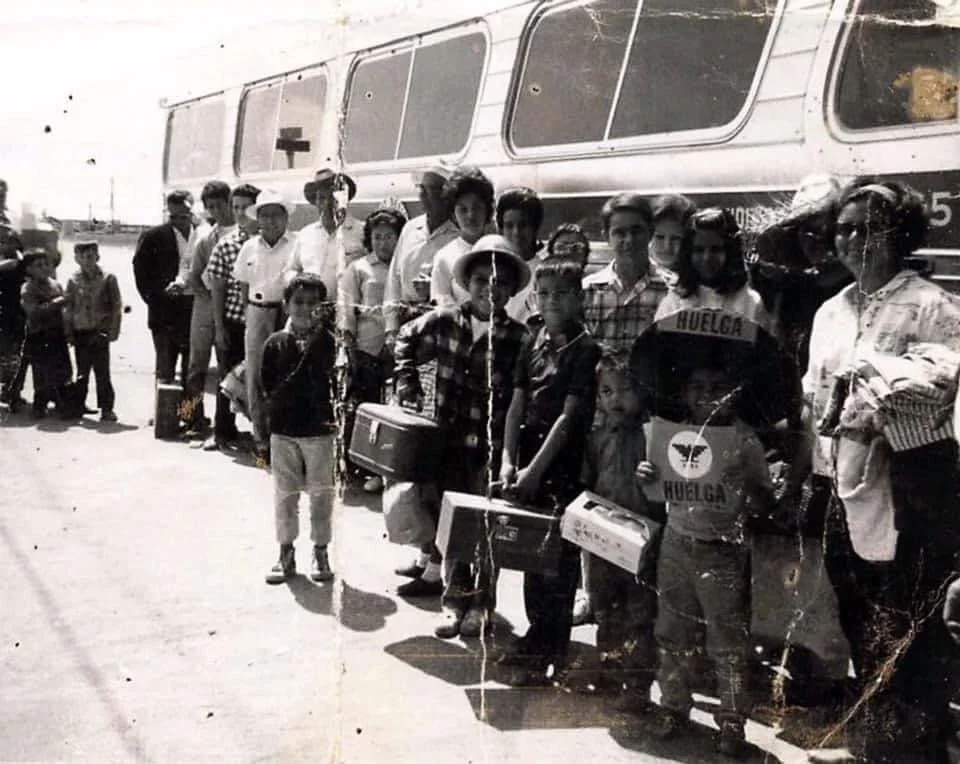
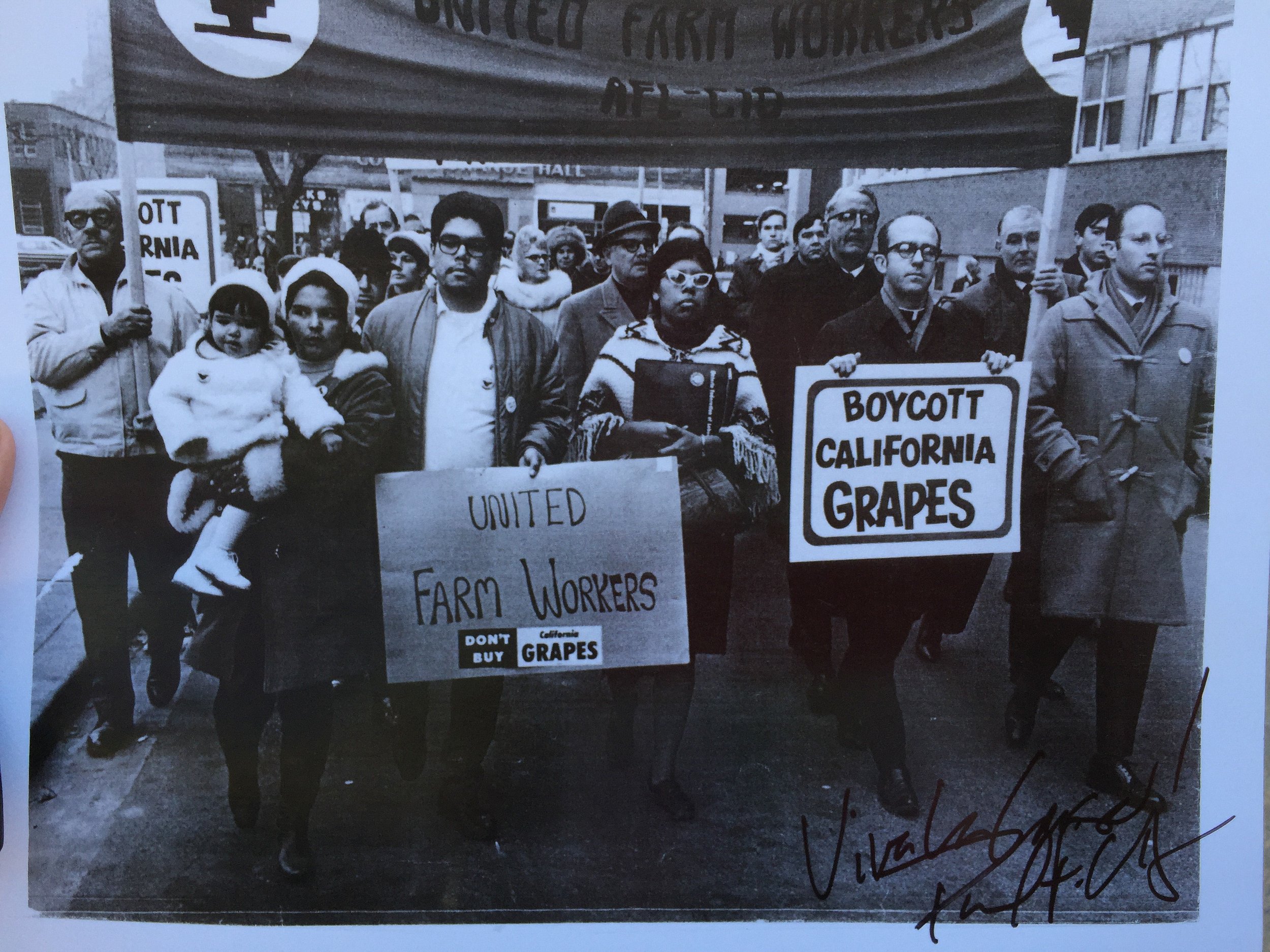
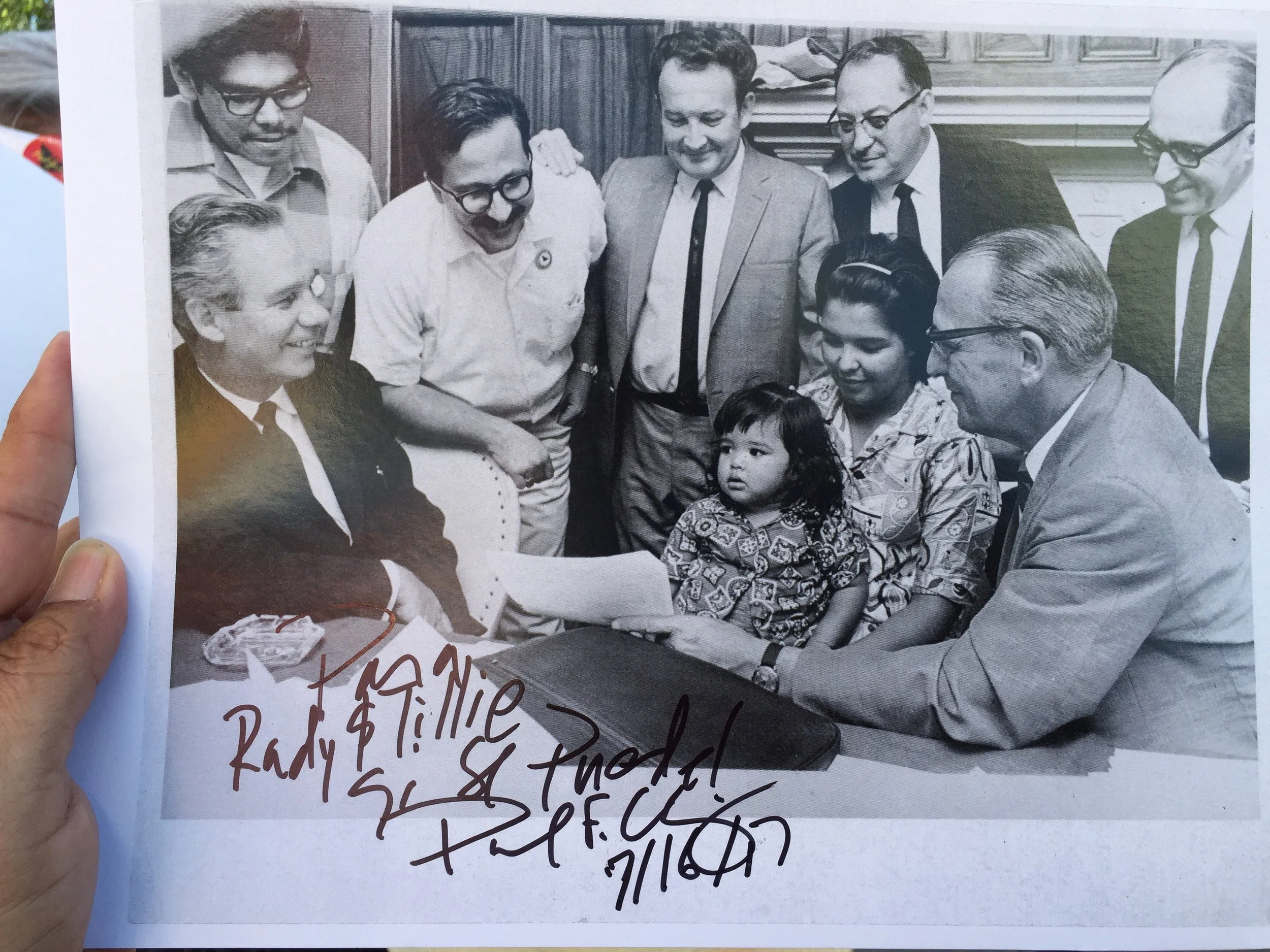
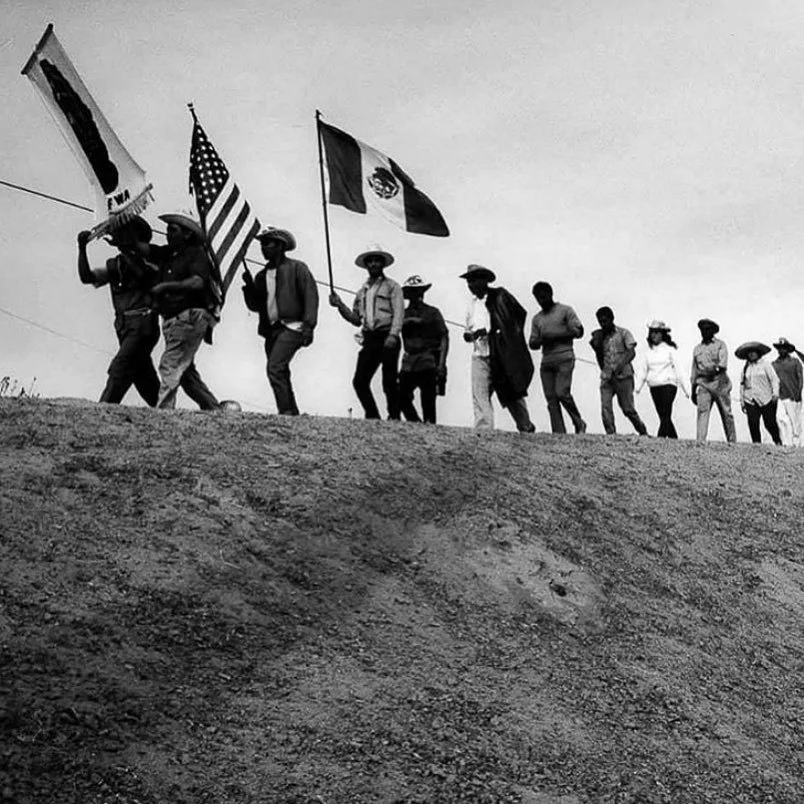
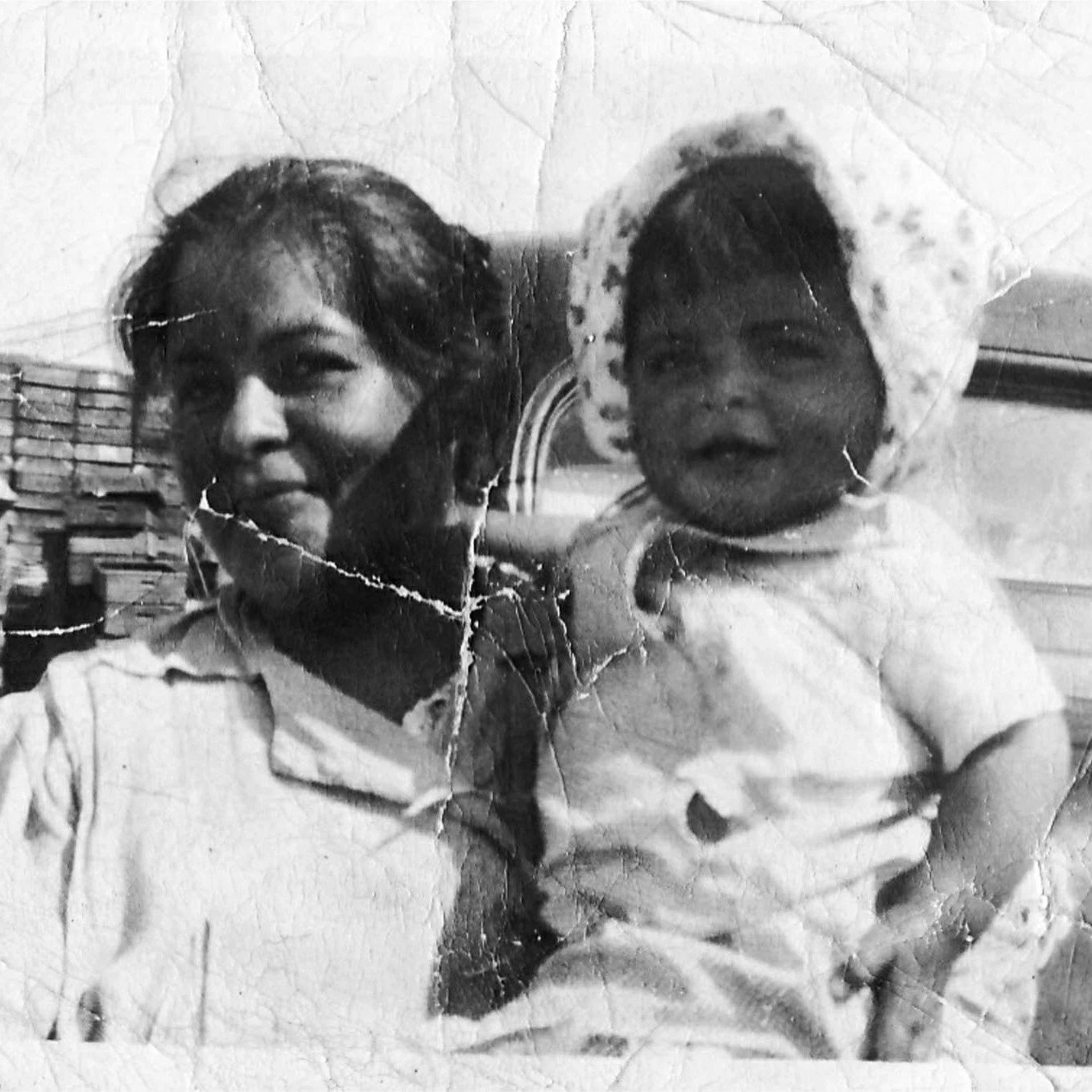
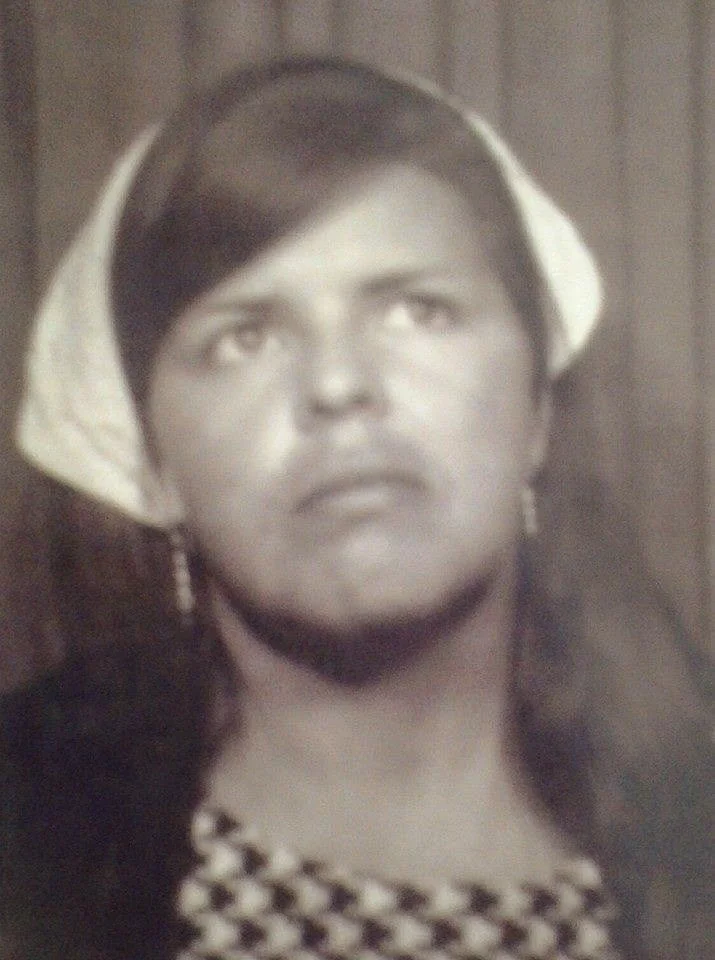
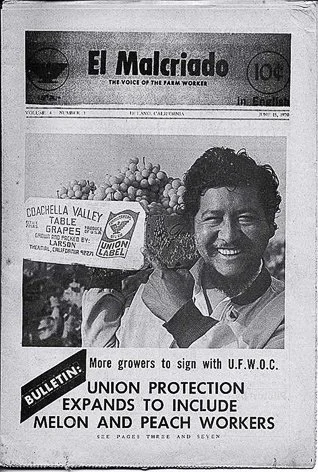
Yolanda Chacon-Serna is a lifelong activist and labor organizer, who was born in Delano, California. She has been involved with the United Farm Workers movement led by figures like Cesar Chavez and Dolores Huerta. From her early childhood participating in strikes alongside her family to her role in shaping healthcare access for marginalized communities, Yolanda's journey is a testament to the enduring legacy of grassroots activism and community empowerment. Through her own experiences and advocacy, she highlights the critical importance of healthcare, education, and environmental justice in ensuring dignity and equality for all.
Interviewed by Dr. Clara Mantini-Briggs and Anai Ramos. Transcribed by Sofia Perez. Edited by Dr. Carolina Talavera and Ivan Lopez.

Eduardo Galeano
Eduardo Galeano was a Uruguayan author and journalist Known for his poetic storytelling and political insight. He wrote about Latin America’s history, culture, and struggles against oppression, giving voice to forgotten people and stories.
Eduardo Galeano
Eduardo Galeano- Los siete locos
Eduardo Galeano reflects on madness and society through Los siete locos, exploring how imagination and rebellion challenge oppression and reveal hidden truths in human experience.
Eduardo Galeano- Mitos, Dios
Galeano discusses myth, God, and Latin American identity, highlighting how stories and beliefs shape history, power, and collective memory beyond official narratives.